Header Logo

Why Cats Purr: The Science and Comfort Behind It

If you’ve ever felt your cat rumble with a gentle purr while curled up on your lap, you know how soothing that sound can be. But have you ever wondered why cats purr? At Safford Veterinary Services in Plano, IL, we also serve other local areas, including DuPage, Kendall, and Kane counties, and portions of DeKalb, Grundy, Will, and LaSalle counties. Our veterinarians love helping pet parents understand feline behavior. Few behaviors are as fascinating or heartwarming as purring.
Fluffy’s purr might seem like a simple sign of happiness, but it’s actually a complex form of kitty communication that serves multiple purposes. From relaxation and healing to self-soothing and bonding, that rhythmic vibration tells us more than most pet owners realize.
The Mechanics of a Purr
Before exploring the reasons behind purring, it helps to understand how cats do it. While most mammals make sounds by passing air over the vocal cords, cats are unique. They produce a continuous vibration that happens both when they breathe in and when they breathe out.
The process begins in the laryngeal muscles, which rapidly open and close the glottis—about 25 to 150 times per second! This steady pulsing causes the vocal cords to vibrate, creating that unmistakable sound. The low frequency—usually between 20 and 150 Hz—isn’t just relaxing; it may even promote healing. Studies suggest that these vibrations can help strengthen bones and repair tissue, giving purring an almost therapeutic quality.
Fun fact: Cats are among the few animals that can purr continuously, even while nursing, sleeping, or recovering from injury.
The Many Meanings Behind the Purr
1. Contentment and Connection
The most familiar reason cats purr is pure happiness. When your feline companion stretches out in the sun or snuggles beside you with a soft hum, it’s a clear sign of comfort and trust. Kittens begin purring at just a few days old—often while nursing—to communicate safety and satisfaction to their mother.
As your cat grows, purring becomes a lifelong way to express calm contentment. Think of it as their version of a smile or a sigh of relief after a long day.
2. Communication and Social Bonding
Cats don’t meow much to one another in adulthood—that’s a form of communication they reserve for humans. But purring remains a universal feline language. Mother cats use it to reassure kittens, and cats in multi-cat households may purr to signal peaceful intent.
If your feline pal rubs against your leg while purring, it’s not just affection: it’s communication. That vibration might be their way of saying, “I’m safe with you.”
3. Healing and Self-Soothing
Not all purrs are joyful. Cats sometimes purr when they’re anxious, injured, or even near death. While that might sound unsettling, it’s actually a remarkable self-soothing mechanism.
The frequency of a cat’s purr—around 25 to 150 Hz—matches the vibration range known to stimulate bone and tissue regeneration in humans. This may explain why cats recover quickly from injuries and suffer fewer bone-related complications than dogs. Some veterinarians even refer to this phenomenon as the “healing purr.”
When your feline friend purrs after a vet visit or during rest, they may be comforting themselves while promoting recovery.
4. Hunger or Request Purring
Cats have learned that their humans respond quickly to purring—especially when it’s combined with a cute face and pleading eyes! Researchers have identified a special type of solicitation purr, which includes a subtle, high-pitched sound similar to a human baby’s cry.
This version of purring is your cat’s way of saying, “Feed me, please!”—and yes, it works remarkably well.
5. Stress Relief and Emotional Regulation
Purring isn’t just soothing for cats: it’s relaxing for you too. Studies show that low vibrations can reduce human stress and blood pressure. That’s part of the reason therapy cats are becoming more popular in hospitals and nursing homes.
When your feline friend curls up and purrs softly beside you, those vibrations can bring mutual calm. Your pet feels comforted, and you benefit from a slower heart rate and a moment of quiet peace.
When Purring Might Signal Something Else
Although most purring is perfectly normal, it’s important to pay attention to the context. If your cat’s purring seems excessive or accompanies other signs, such as reduced appetite, lethargy, or hiding, it may be their way of coping with pain or illness.
Common situations where purring may mask discomfort include:
- After surgery or injury, Cats often purr during recovery as a self-healing response.
- During veterinary exams, some cats purr nervously to calm themselves.
- When unwell, a purring cat that’s withdrawn or not eating should always be examined by a veterinarian.
At Safford Veterinary Services, our veterinarians in Plano, IL, are skilled at interpreting feline behavior and helping pet parents recognize when a purr is comforting versus concerning.
Encouraging Healthy, Happy Purring
As your friendly Plano animal hospital, we want your kitty’s purrs to be filled with happiness—not stress or discomfort. Here are some ways to support your feline’s physical and emotional health.
Provide a Calm Environment
Cats thrive on routine and predictability. Avoid sudden changes in household activity or loud noises when possible. Create safe spaces—like cozy hideaways or high perches—where your cat can retreat when feeling overwhelmed.
Regular Veterinary Checkups
Routine visits to your local vet clinic help identify potential health concerns early. Dental disease, arthritis, or internal discomfort can all influence your cat’s behavior, including their purring habits.
Balanced Nutrition
Healthy skin, coat, and muscle tone all contribute to your cat’s ability to purr comfortably. Provide a high-quality diet tailored to their age and activity level. If you’re unsure which food is best, your Plano veterinarian can guide you based on your cat’s unique needs.
Encourage Positive Interaction
Cats purr more often when they feel secure and loved. Daily play sessions, gentle petting, and consistent affection help strengthen your bond and build trust.
Respect Personal Space
Even the most affectionate cats need alone time. Never force interaction—let your feline friend initiate affection. A purr given freely is always more meaningful than one offered under stress.
Fun Facts About Cat Purring
- Cats purr at frequencies that can aid in bone growth and healing.
- Big cats like lions and tigers can’t purr continuously—but cheetahs and bobcats can!
- Kittens start purring at just two days old.
- Some cats even purr while sleeping, just as people do in their sleep.
- A happy cat’s purr can reach up to 27 decibels—roughly as loud as a quiet conversation.
How Veterinarians Study Purring Behavior
At our Plano veterinary clinic, we often discuss purring with curious cat owners who want to better understand their pets. Veterinary behaviorists have found that cats’ purring patterns vary slightly depending on the situation. Contentment purrs are slower and more rhythmic, while stress purrs are faster and higher in frequency.
Some modern research even explores how cats use purring as a social tool to influence human behavior. It turns out your feline companion may be more skilled at getting attention than you realize!
If your cat’s purr seems unusual, persistent, or accompanied by other signs of distress, it’s a good idea to schedule a wellness exam. Subtle changes in vocalization or behavior can indicate underlying medical issues best addressed early.
When to See Your Veterinarian
Cats are masters of hiding discomfort. While purring usually signals relaxation, it can sometimes mask pain. Seek veterinary care if you notice:
- Sudden changes in purring volume or frequency
- Difficulty breathing while purring
- Loss of appetite or weight loss
- Hiding or decreased interaction
Our team at Safford Veterinary Services in Plano, IL, can assess your cat’s health and behavior to rule out medical causes and keep their purrs purely happy.
Want to learn more about keeping Fluffy purring? Read this article from Humane World about keeping indoor cats happy. PetMD wrote about Fluffy’s little motor in this article about cat purrs.
FAQs About Cat Purring
Why do cats purr when they’re hurt?
It’s a self-soothing mechanism. The vibrations can help reduce pain and even stimulate healing.
Do all cats purr the same way?
Actually, no. Each cat has a unique “purr signature,” just as a human voice does.
Can purring heal humans?
While it’s not a medical treatment, the low frequency of a cat’s purr can promote relaxation and reduce stress in people.
Why does my cat purr when I pet them, then bite me?
That’s called overstimulation. Your cat enjoys the attention but may reach a comfort limit—watch for twitching tails or flattened ears as cues to stop.
Do big cats purr?
Most big cats, like lions and tigers, can’t purr continuously due to differences in their laryngeal structure. Only smaller wildcats like cheetahs can produce a true purr.
Visit Our Plano, IL Veterinary Clinic for Feline Wellness and Behavior Care
At Safford Veterinary Services in Plano, IL, we also serve other local areas, including DuPage, Kendall, and Kane counties, and portions of DeKalb, Grundy, Will, and LaSalle counties. We understand that every cat’s purr tells a story. Whether Fluffy’s rumble signals happiness, comfort, or healing, our compassionate veterinarians are here to help you interpret and support those subtle messages.
From wellness exams and nutritional advice to behavioral guidance, our animal hospital proudly serves Plano, Yorkville, and the surrounding communities with gentle, personalized care.
If you’ve been searching for a vet near me who understands feline behavior and communication, schedule a visit with our team today. Together, we’ll help keep your cat’s purrs healthy, happy, and full of meaning.
This article is for informational purposes only. Always consult your veterinarian for medical advice, diagnosis, or treatment tailored to your pet’s needs.
Would you like to learn more about our Plano, IL animal hospital? Are you looking for a vet that does house calls in Plano or Yorkville? Drop by our Services page for an overview of who we are and the services we offer, such as Wellness and Vaccinations, Nutrition and Weight management, and Spay/Neuter Surgery. You can also delve into specific services, such as Laser Therapy and Vetscalpel Laser Surgery.
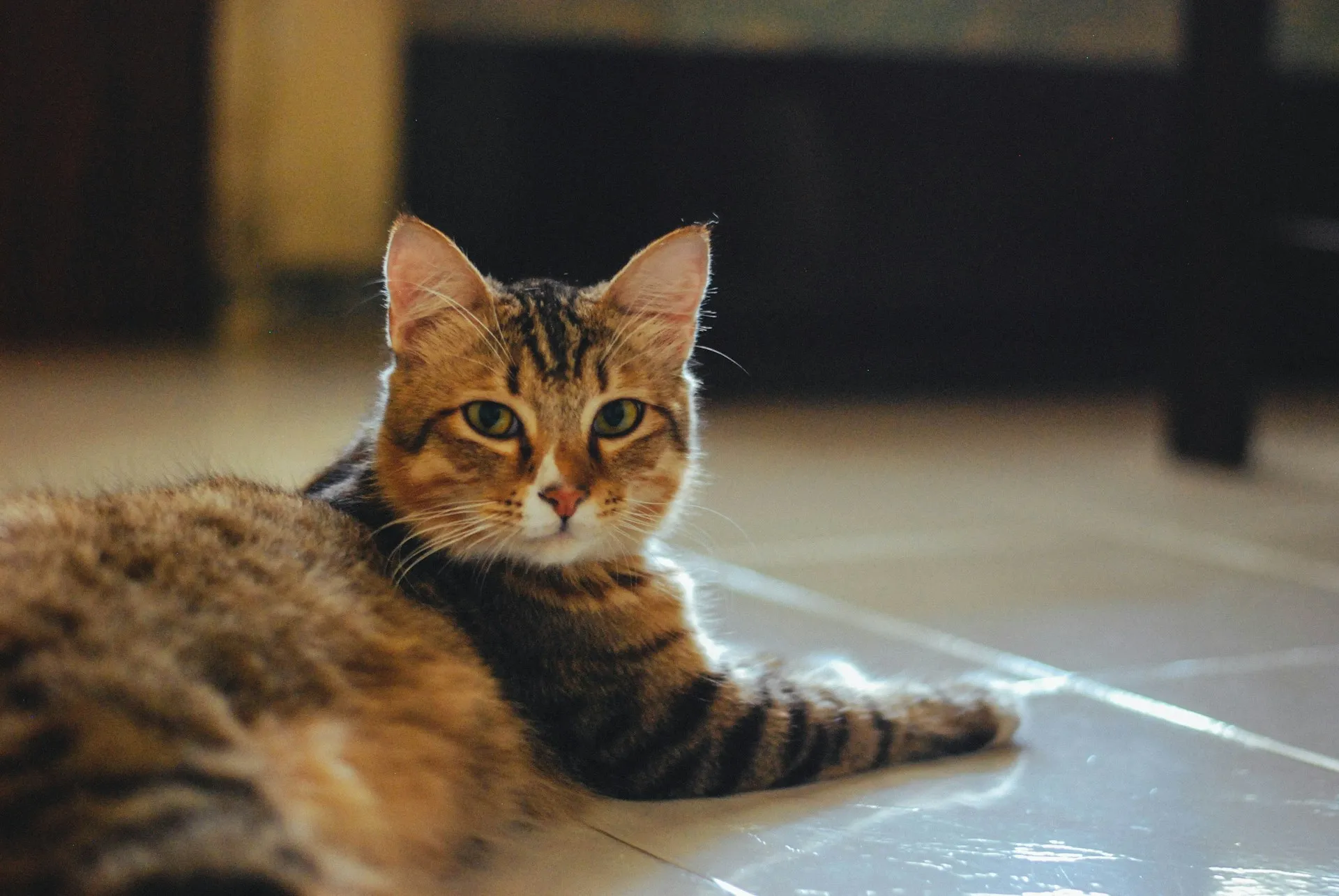
How to Build a Safe and Enriching Home for Your Cat
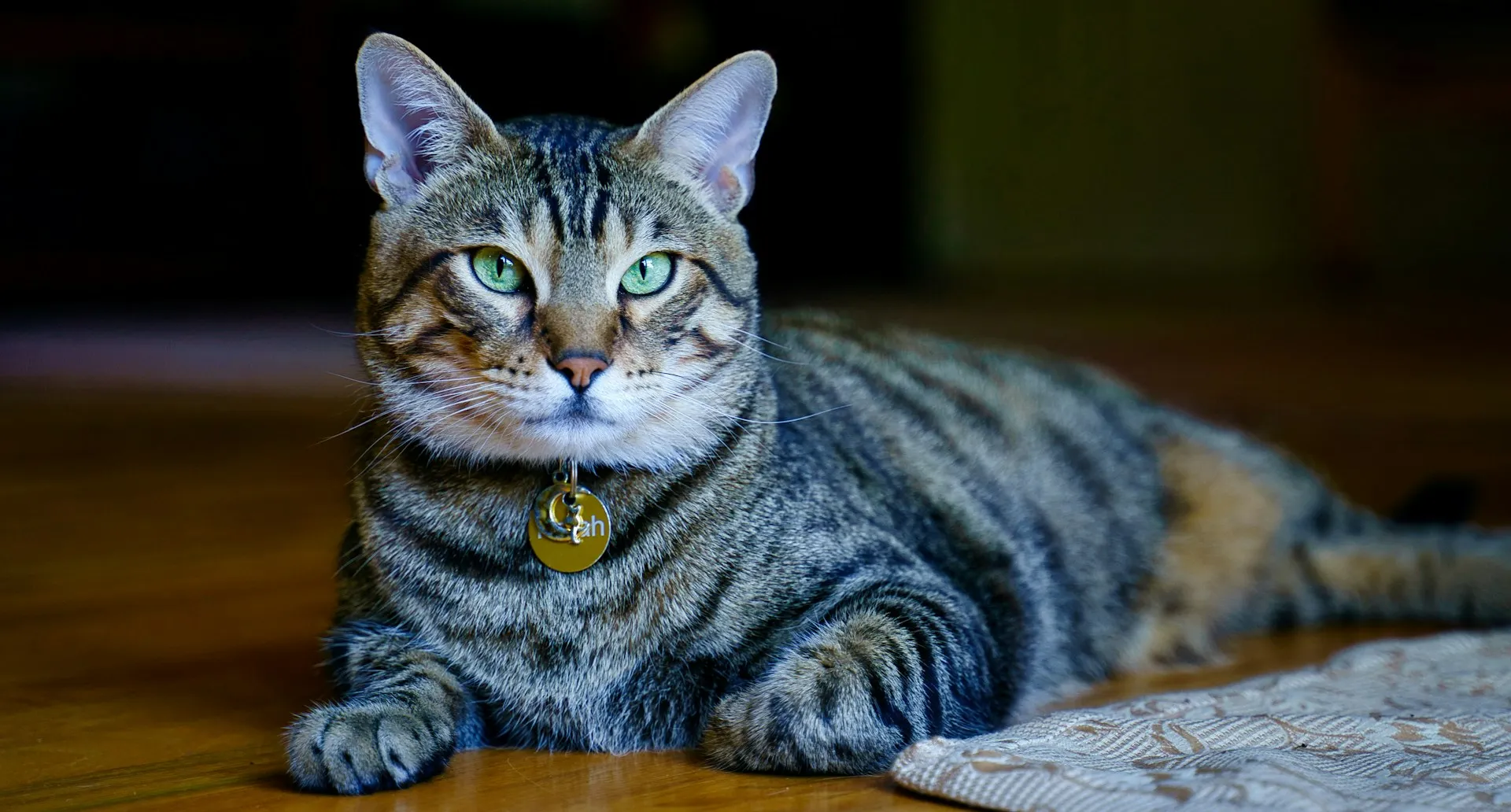
The Importance of Annual Wellness Exams for Pets

Why Dogs Chew and How to Guide Better Habits

Weight Management Tips for Healthy, Active Pets

What to Expect When Adopting a Rescue Cat or Dog

Play Therapy: Strengthening Bonds Through Pet Play

Senior Dog Care Tips for Comfort and Longevity
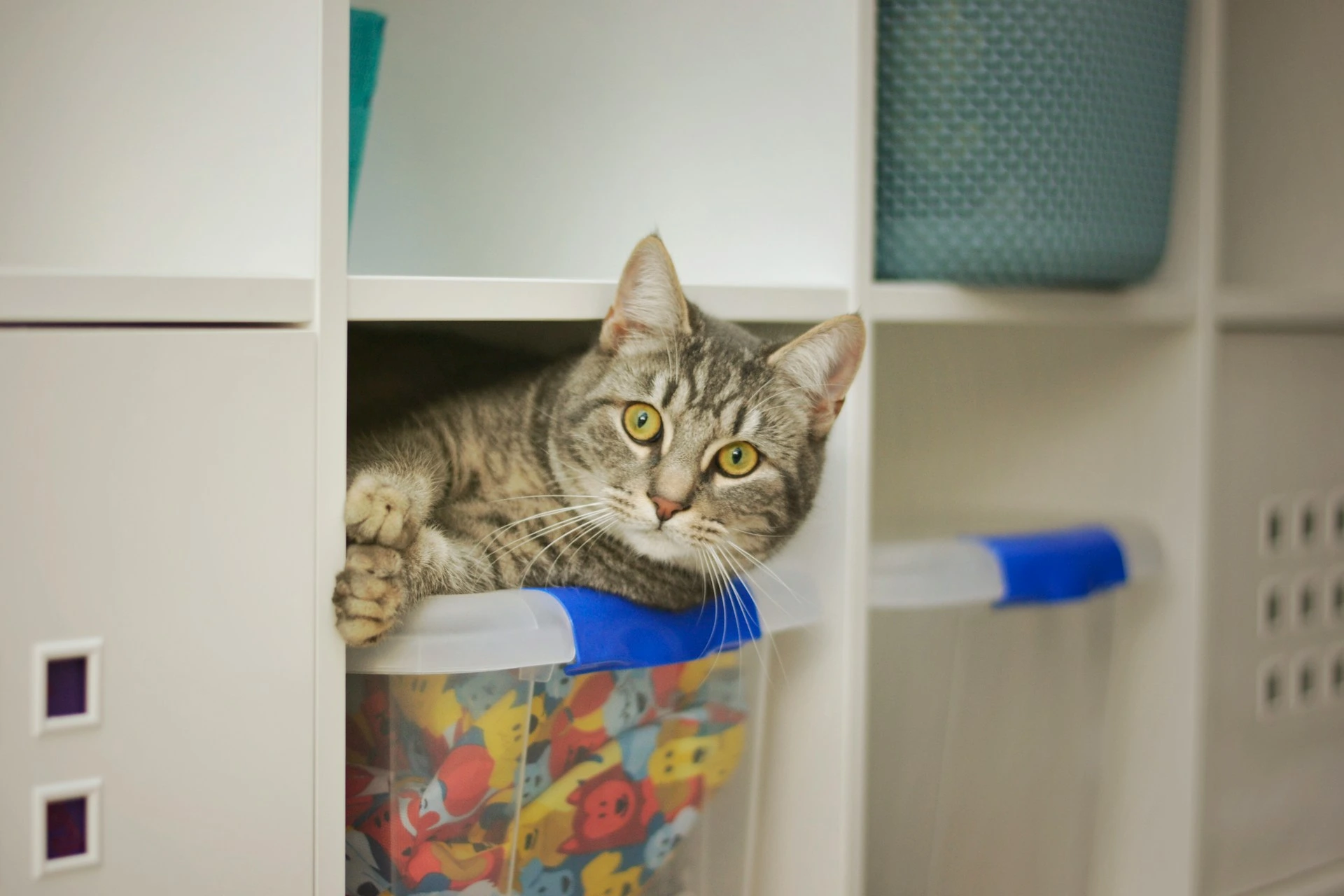
Easy Home Enrichment Ideas for Indoor Cats

Understanding and Managing Dog Barking Behavior