Header Logo

The Importance of Annual Wellness Exams for Pets

When life gets busy, it’s easy to delay your pet’s yearly checkup—especially when they seem perfectly healthy. But here’s a little secret from your friendly neighborhood vet: those annual wellness exams are the cornerstone of lifelong health for your furry family member.
At Safford Veterinary Services in Plano, IL, we provide great care, and also serve DuPage, Kendall, and Kane counties, as well as Portions of DeKalb, Grundy, Will, and LaSalle counties. We strongly believe that preventive care is the best care. Annual visits give us the chance to catch small issues before they become major problems, keeping your pets happy, active, and by your side for years to come.
Why Annual Wellness Exams Matter
Wellness exams are about so much more than vaccines—they’re a complete health overview designed to track your pet’s growth, detect early signs of illness, and maintain overall well-being.
During a routine exam, your Plano veterinarian checks everything from teeth to tail, including:
- Weight and body condition
- Heart and lung health
- Skin and coat quality
- Eyes, ears, and oral health
- Joints and muscle tone
- Behavior and energy levels
This whole-body approach helps ensure your pet stays as healthy as possible through every life stage.
Early Detection Saves Lives
Many diseases develop quietly, showing no symptoms until they’ve progressed. Regular pet wellness exams allow your vet to detect subtle changes early, improving treatment outcomes and your pet’s comfort.
Conditions like kidney disease, diabetes, arthritis, and dental infections often begin with minor signs easily missed at home. A quick checkup once a year can make all the difference.
Preventive Care Is Affordable Care
Routine wellness care helps avoid emergency visits and costly treatments later. Vaccinations, parasite control, and nutrition counseling all contribute to fewer illnesses—and a healthier, happier pet.
Our Plano animal hospital team sees it all the time: pets who come in regularly tend to live longer, experience fewer chronic problems, and maintain better quality of life.
What to Expect During a Pet Wellness Exam
Knowing what happens during a wellness visit can make the process smoother and more comfortable for both you and your furry friend.
Comprehensive Physical Exam
Your veterinarian starts by observing your pet’s posture, movement, and attitude. They’ll listen to the heart and lungs, palpate the abdomen, check joints, and inspect ears, eyes, and mouth.
Even small findings—like a slight heart murmur or tartar buildup—can provide valuable clues about your pet’s health.
Weight and Nutrition Assessment
Maintaining a healthy weight is crucial. Your vet will evaluate your pet’s body condition and discuss diet options tailored to their age, breed, and activity level.
At Safford Veterinary Services, we take a personalized approach—because no two pets are exactly alike. What works for a high-energy Labrador may not suit a senior cat or small-breed dog.
Vaccination Review
Vaccines protect against serious, preventable diseases like rabies, distemper, and feline leukemia. Your vet will review your pet’s vaccine schedule and recommend any updates based on lifestyle and risk factors.
For example, an indoor-only cat may need fewer boosters than a social pup who loves dog parks.
Parasite Screening and Prevention
Fleas, ticks, heartworms, and intestinal parasites aren’t just nuisances—they can cause serious illness. Your vet will discuss prevention options and may recommend routine tests, especially during warmer months when parasites are more active.
Bloodwork and Diagnostic Testing
Baseline blood tests and urinalysis help identify early changes in organ function. These are especially valuable for senior pets, since conditions like thyroid imbalances or kidney disease often develop silently.
Having a record of normal values also helps your vet detect even small future changes quickly.
Behavioral and Lifestyle Discussion
Wellness exams are also the perfect time to talk about behavior, activity levels, and home routines. If your dog’s chewing habits are getting out of hand or your cat’s litter box behavior has changed, your vet can help pinpoint solutions.
Behavioral health is an essential part of your pet’s overall well-being—and we’re here to help you every step of the way.
How Often Should You Schedule a Wellness Exam?
While annual visits are the standard, certain pets may need more frequent checkups.
- Puppies and kittens: Every 3–4 weeks until vaccinations are complete.
- Adults (1–7 years): Once a year for exams and boosters.
- Seniors (7+ years): Every six months for closer monitoring.
As your Plano veterinary clinic, we’ll recommend the right schedule based on your pet’s age, breed, and health history.
The Role of Preventive Care in Longevity
Think of preventive care as your pet’s “health insurance.” By catching issues early, we can treat them more effectively, often avoiding more invasive procedures later.
Dental Health
Dental disease affects up to 80% of pets by age three. Regular exams and dental cleanings prevent infection, tooth loss, and even heart complications caused by bacteria entering the bloodstream.
Weight and Mobility
Obesity is one of the most common preventable health problems in pets. During wellness visits, we assess weight trends and guide to maintain ideal body condition—supporting joint health and energy.
Age-Related Monitoring
As pets age, their metabolism, immunity, and energy levels shift. Wellness exams help us adapt their nutrition, exercise, and supplements for graceful aging.
Our Plano vets often recommend senior panels (blood and urine testing) to detect early signs of disease before symptoms appear.
Making the Most of Your Pet’s Annual Exam
Bring Notes
If you’ve noticed any changes in appetite, behavior, or mobility, jot them down before your visit. Even minor details—like drinking more water or sleeping differently—can provide clues.
Ask Questions
Your vet is your partner in care. Don’t hesitate to ask about anything from nutrition and exercise to grooming and parasite control.
Keep Records
Maintain a file of vaccination certificates, test results, and medications. This helps track long-term health trends.
Stay Consistent
Even if your pet seems fine, skipping exams can lead to missed opportunities for prevention. The best time to spot a disease is before it starts.
Supporting Your Pet’s Comfort During Vet Visits
We know vet visits can feel stressful—for both pets and owners! That’s why our Plano animal hospital focuses on creating a calm, fear-free environment.
To help at home:
- Bring familiar toys or blankets.
- Use gentle praise and treats.
- Schedule appointments at quieter times if your pet is anxious.
Our compassionate team takes time to help every pet feel safe and cared for.
The Emotional Side of Preventive Care
Wellness visits aren’t just about tests and vaccines—they’re about connection. Each exam gives us a chance to celebrate milestones, address concerns, and support the incredible bond you share with your furry family member.
We love watching our patients grow—from wiggly puppies and curious kittens to wise seniors who’ve been part of your family for years.
When you commit to regular yearly vet visits, you’re not only extending your pet’s life—you’re enhancing every moment you share.
PetMD wrote about Pet Wellness exams in this piece, and Petco wrote about wellness exams in this piece. The American Veterinary Medical Association also covered the topic here.
FAQs About Annual Wellness Exams
Why does my pet need an exam if they seem healthy?
Many conditions develop silently. Regular checkups allow early detection and treatment before symptoms appear.
How long does a wellness exam take?
Most visits last 30–45 minutes, depending on tests or vaccines needed.
Do indoor pets need checkups too?
Yes! Indoor pets can still develop dental, weight, or organ issues—and parasites can hitch a ride indoors.
When should I start senior screenings?
Generally, around age seven, though large-breed dogs may benefit from earlier monitoring.
Can I bring multiple pets at once?
Yes, but let us know ahead of time so we can schedule enough time for each pet.
Visit Our Plano, IL Veterinary Clinic for Preventive Pet Care
At Safford Veterinary Services in Plano, IL, we believe that wellness care is the foundation of a long, joyful life for your pets. Our veterinarians are passionate about preventive care and offer personalized guidance that fits your pet’s needs at every age.
Whether you’re scheduling your pet’s first visit or keeping up with their yearly wellness checkups, our team is here to make it a positive experience for you both. If you’ve been searching for a vet near me who truly prioritizes lifelong health, visit our Plano veterinary clinic today to schedule your pet’s next exam.
This article is for informational purposes only. Always consult your veterinarian for personalized medical advice, diagnosis, or treatment for your pet.
Would you like to learn more about our Plano, IL animal hospital, which also serves DuPage, Kendall, and Kane counties, as well as Portions of DeKalb, Grundy, Will, and LaSalle counties? Are you looking for a vet that does house calls in Plano or Yorkville? Drop by our Services page for an overview of who we are and the services we offer, such as Wellness and Vaccinations, Nutrition and Weight management, and Spay/Neuter Surgery. You can also delve into specific services, such as Laser Therapy and Vetscalpel Laser Surgery.

How to Build a Safe and Enriching Home for Your Cat

The Importance of Annual Wellness Exams for Pets

Why Dogs Chew and How to Guide Better Habits

Weight Management Tips for Healthy, Active Pets

What to Expect When Adopting a Rescue Cat or Dog

Play Therapy: Strengthening Bonds Through Pet Play
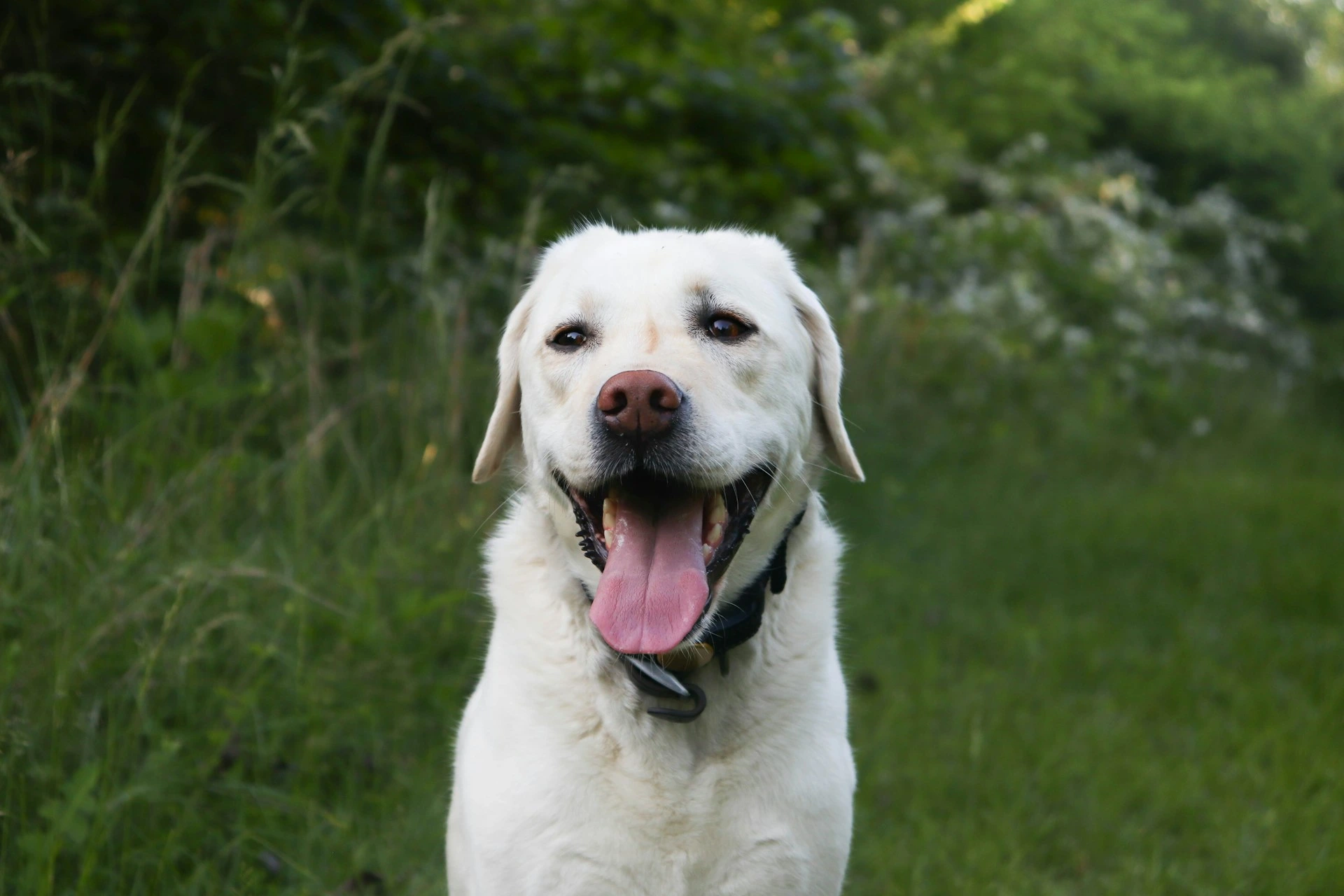
Senior Dog Care Tips for Comfort and Longevity
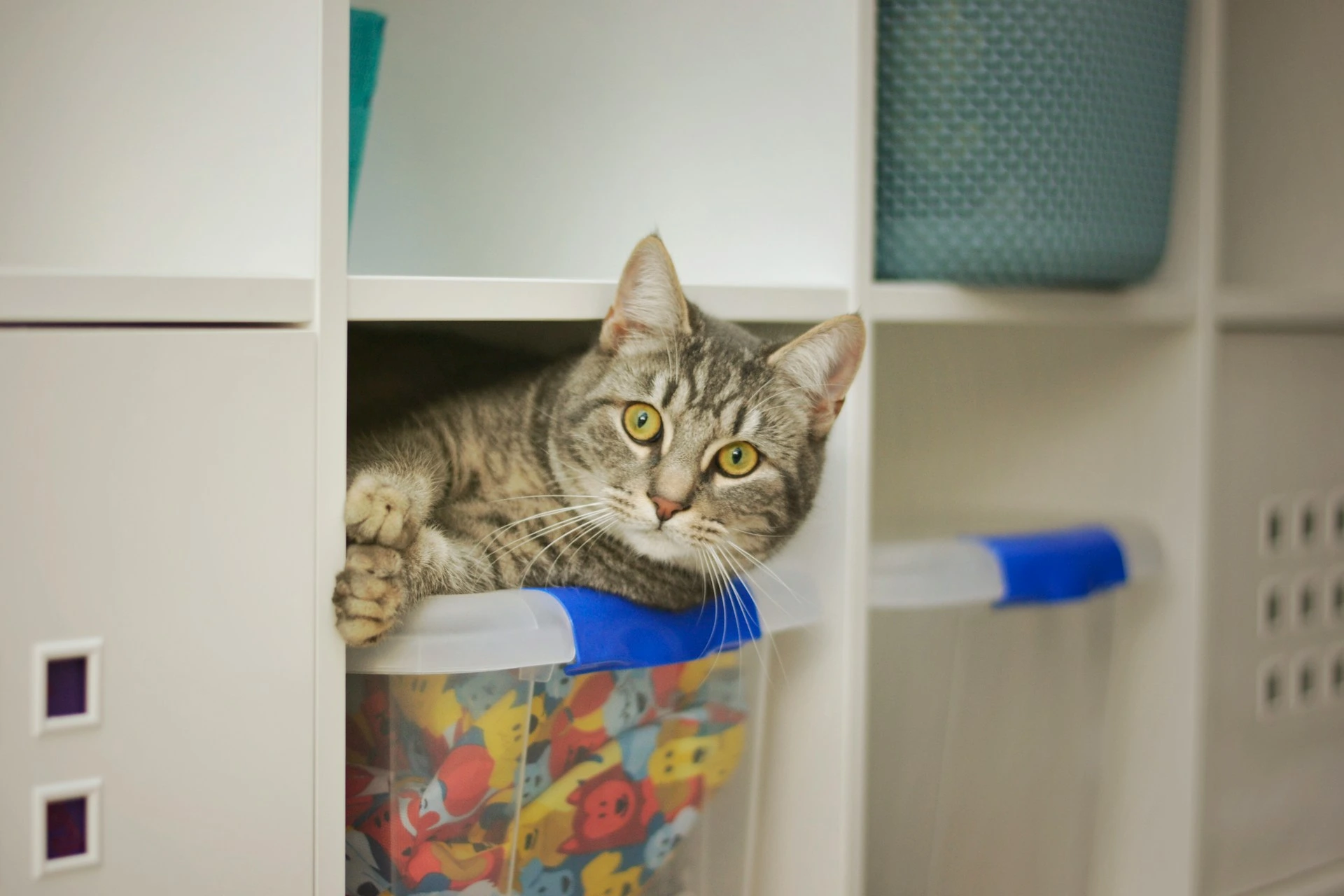
Easy Home Enrichment Ideas for Indoor Cats

Understanding and Managing Dog Barking Behavior