Header Logo

How to Keep Your Dog’s Skin and Coat Naturally Healthy

Have you ever noticed how a shiny, soft coat makes your pup look and feel their best? A healthy coat doesn’t just make your dog camera-ready—it’s a reflection of their overall wellness. Proper nutrition, grooming, and regular vet care all play key roles in maintaining long-lasting coat health for dogs.
Your four-legged friend’s skin and fur serve as their first line of defense against the environment, keeping them warm, comfortable, and protected. It’s also super cute! With the right care, you can keep your canine companion looking radiant while supporting their immune system and providing daily comfort. At Safford Veterinary Services in Plano, IL, serving other local areas, including DuPage, Kendall, and Kane counties, as well as Portions of DeKalb, Grundy, Will, and LaSalle counties, we are happy to offer grooming tips. A Plano vet weighs in below.
Why Your Dog’s Skin and Coat Matter
Healthy skin and a glossy coat do more than just look good: they’re a sign that your pup is thriving from the inside out. When your pet’s skin becomes dry, flaky, or irritated, or their coat dulls or sheds excessively, it often points to an underlying imbalance.
A dog’s coat acts as an essential barrier, protecting them from temperature changes, parasites, and infections. Their skin produces natural oils that keep fur smooth and hydrated, but those oils rely heavily on proper diet, grooming, and veterinary guidance to stay balanced.
Nutrition: The Foundation of Coat and Skin Health
The saying “you are what you eat” applies just as much to dogs as it does to humans. Nutrition plays a powerful role in maintaining a healthy coat.
Focus on Quality Ingredients
A balanced diet rich in lean proteins, healthy fats, and key vitamins provides the building blocks your pup’s body needs to maintain strong skin cells and shiny fur. Look for foods that contain:
- Omega-3 and Omega-6 fatty acids (from fish oil or flaxseed)
- Vitamin E for skin elasticity and cell repair
- Zinc and biotin for coat growth and strength
If you’re unsure which diet best suits your dog’s needs, your Plano veterinarian at Safford Veterinary Services can recommend options based on your dog’s breed, age, and activity level.
Hydration Helps Too
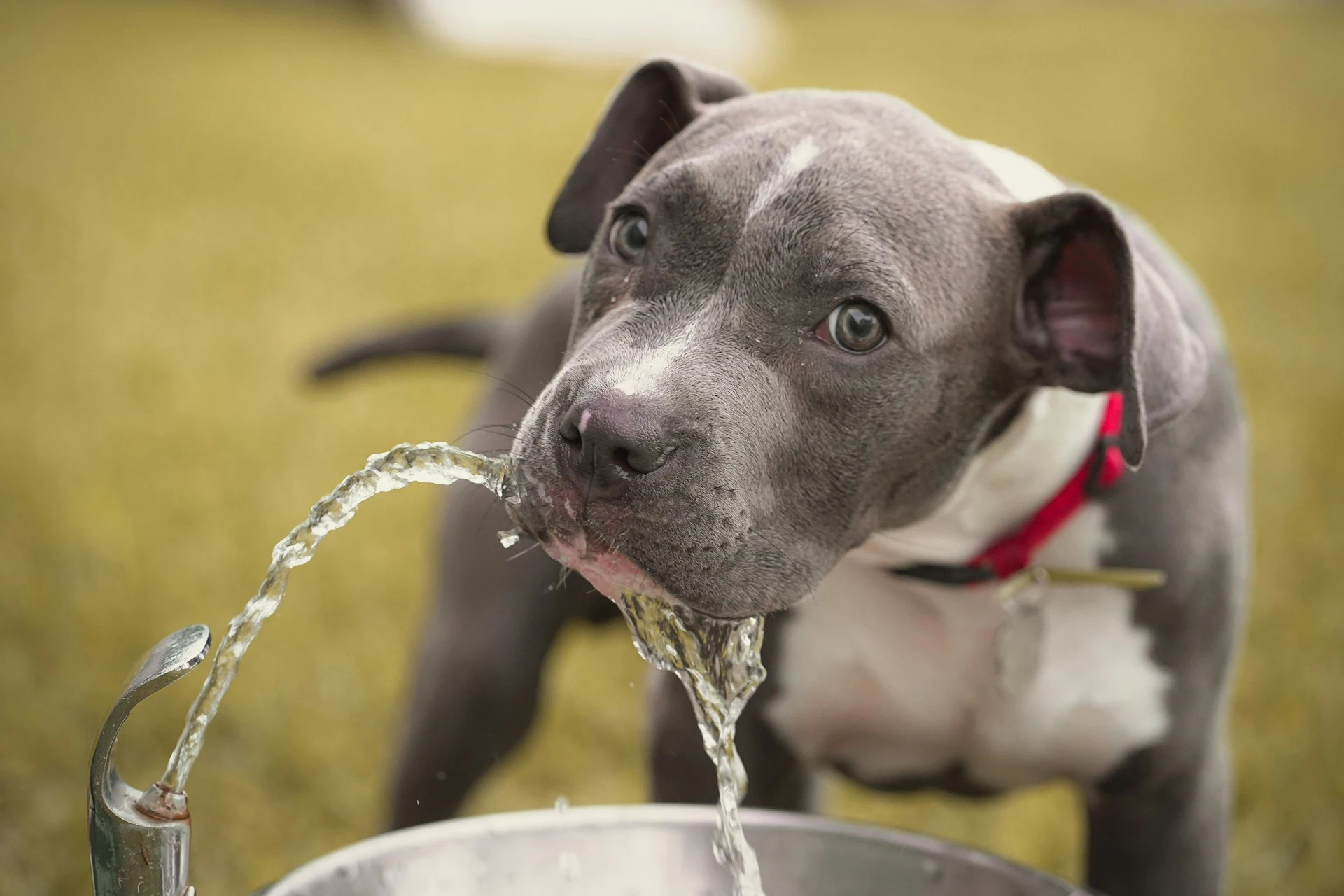
Just like people, dogs need plenty of water to maintain supple skin and reduce dryness or itchiness. Make sure your pooch has access to clean, fresh water throughout the day.
Food Allergies and Sensitivities
Sometimes a dull coat or irritated skin can signal an allergy or sensitivity to certain ingredients. If you notice persistent scratching, ear infections, or hair loss, your veterinarian may suggest an elimination diet or allergy testing to pinpoint the cause.
The Importance of Regular Grooming
Good grooming habits do more than keep your dog clean—they distribute natural oils, remove loose hair, and allow you to spot early skin issues before they become serious.
Brushing for Health
Regular brushing removes dead hair, prevents mats, and promotes circulation. The frequency depends on your dog’s coat type:
- Short-haired dogs (like Beagles) can be brushed weekly.
- Medium- to long-haired breeds (such as Golden Retrievers or Collies) benefit from brushing several times a week.
- Double-coated breeds (like Huskies) shed seasonally and may need daily attention during those times.
Bathing the Right Way
Too-frequent baths can strip away natural oils, leading to dryness. Aim to bathe your dog once a month, or as recommended by your veterinarian, using a gentle, pet-safe shampoo. Always rinse thoroughly, as residual soap can cause itching and irritation.
Check Ears, Nails, and Paws
During grooming, take time to inspect your dog’s ears for redness or odor, which may indicate infection. Trim nails regularly to prevent cracking or discomfort and check paw pads for cuts or dryness, especially after walks in Plano’s winter months.
Environmental Factors That Affect Skin and Coat
Dogs are exposed to a variety of environmental irritants that can impact skin and coat quality.
Seasonal Changes
Cold, dry winters can make skin flaky and itchy, while summer humidity can lead to hot spots or fungal infections. Using a humidifier indoors during the colder months can help, as can regular grooming to remove dirt and allergens.
Parasites and Pests
Fleas, ticks, and mites can wreak havoc on your dog’s coat and cause constant scratching. Preventive care is crucial. Ask your veterinarian about safe, effective parasite prevention options. Regular checks, especially after outdoor play, help catch problems early.
Allergens and Irritants
Grass, pollen, and household cleaners can all irritate sensitive skin. If your pup seems itchy after walks or cleaning days, try wiping him down with a damp cloth to remove surface allergens.
Veterinary Care: Partnering for a Healthier Coat
Routine vet visits are one of the best ways to maintain your dog’s skin and coat health. During checkups, your veterinarian can identify early signs of infection, allergies, or hormonal imbalances that may affect your dog’s fur quality.
Annual Wellness Exams
At Safford Veterinary Services, our Plano, IL animal hospital emphasizes preventive care. Annual wellness exams allow us to check your dog’s skin, coat, and overall condition. We can also recommend routine blood work to rule out thyroid issues or nutritional deficiencies that can cause coat changes.
Diagnostic Support
If your pup’s coat suddenly changes—becomes brittle, greasy, or patchy—your veterinarian may perform skin scrapings, allergy tests, or lab work to identify the root cause. Addressing these early helps prevent chronic issues and discomfort.
Parasite Prevention and Treatment
Regular flea and tick control is critical to maintaining healthy skin. Year-round protection helps keep your dog free of pests that can cause infections or allergic dermatitis.
Home Habits That Keep Coats Glossy
There are plenty of small habits that can make a big difference in your dog’s appearance and comfort.
Regular Brushing Routines
Establish brushing sessions as bonding time with your canine friend. Use gentle motions, and reward them with praise or cuddles.
Use Proper Grooming Tools
Invest in brushes suited to your dog’s coat type. You’ll want slicker brushes for long hair, bristle brushes for short coats, or undercoat rakes for heavy shedders.
Provide Mental and Physical Exercise
Exercise supports blood circulation, which keeps skin nourished and promotes coat growth. Activities like walking or fetch in Plano’s local parks provide both physical and emotional benefits.
Keep Bedding and Collars Clean
Dirty bedding can harbor bacteria, oils, and parasites. Wash your pup’s bed regularly and clean collars to prevent buildup that can cause skin irritation around the neck.
Fun Facts About Dog Coats
- Dogs have up to 15,000 hairs per square inch on their bodies.
- Double-coated breeds use their undercoat to regulate body temperature.
- Regular grooming can reduce shedding by nearly 90%.
- The luster of your dog’s coat can actually reflect their hydration level!
Common Skin and Coat Problems to Watch For
Dry or Flaky Skin
This may indicate a poor diet, over-bathing, or low humidity.
Dull Coat
Could signal a lack of fatty acids or nutrients in their diet.
Excessive Shedding
While seasonal shedding is normal, persistent shedding may indicate stress, allergies, or hormonal imbalance.
Hot Spots
These are inflamed, itchy patches caused by moisture or licking. Your veterinarian can recommend topical relief and help identify underlying causes.
Spruce Pets has an article on dog skin problems here. You can read about common canine skin issues at the PetMD website here.
FAQs About Dog Skin and Coat Health
How often should I bathe my dog?
Once every four to six weeks is typical, but some breeds or allergy-prone dogs may need more frequent care.
My dog sheds constantly. Is that normal?
Shedding patterns vary by breed and season. Excessive or patchy shedding warrants a vet visit.
Can diet really change my dog’s coat quality?
Absolutely. Proper nutrients and hydration can drastically improve shine, softness, and overall coat health.
Do dogs need supplements for coat health?
Not always. Most dogs get what they need from a balanced diet, but your veterinarian can advise if supplements would help.
Should I be concerned about my dog’s itching?
Persistent itching, licking, or redness often signals an underlying problem—schedule an exam to pinpoint the cause.
Schedule an Appointment at Our Plano, IL Veterinary Clinic
At Safford Veterinary Services in Plano, IL, we also serve other local areas, including DuPage, Kendall, and Kane counties, and portions of DeKalb, Grundy, Will, and LaSalle counties. Our veterinarians understand that healthy skin and fur go hand in hand with total wellness. We’re proud to serve pets across the Plano and Yorkville areas with compassionate, personalized care.
If you’ve been searching for a vet near me who truly understands dog coat health, look no further than our dedicated team. Schedule an appointment today to keep your furry friend’s skin comfortable and their coat shining bright.
This article is for informational purposes only. Always consult your veterinarian for professional advice, diagnosis, or treatment tailored to your pet’s needs.
Would you like to learn more about our Plano, IL animal hospital? Are you looking for a vet that does house calls in Plano or Yorkville? Drop by our Services page for an overview of who we are and the services we offer, such as Wellness and Vaccinations, Nutrition and Weight management, and Spay/Neuter Surgery. You can also delve into specific services, such as Laser Therapy and Vetscalpel Laser Surgery.

How to Build a Safe and Enriching Home for Your Cat
The Importance of Annual Wellness Exams for Pets

Why Dogs Chew and How to Guide Better Habits
Weight Management Tips for Healthy, Active Pets

What to Expect When Adopting a Rescue Cat or Dog

Play Therapy: Strengthening Bonds Through Pet Play
Senior Dog Care Tips for Comfort and Longevity
Easy Home Enrichment Ideas for Indoor Cats
Understanding and Managing Dog Barking Behavior