Header Logo

How to Build a Safe and Enriching Home for Your Cat

Your home is more than just a place to sleep for your feline companion—it’s their entire world. Whether your kitty loves perching in sunny windows or hiding under the bed during thunderstorms, their environment plays a huge role in their health, happiness, and behavior.
At Safford Veterinary Services, which also serves DuPage, Kendall, and Kane counties, as well as Portions of DeKalb, Grundy, Will, and LaSalle counties, our Yorkville, IL, vets are always happy to help! Creating a cat-safe, enriching home doesn’t have to be complicated. A few thoughtful adjustments can transform your space into a playground, sanctuary, and wellness center all in one.
Why Home Safety and Enrichment Matter
Cats are naturally curious, athletic, and intelligent creatures. Even the most easygoing feline needs both physical safety and mental stimulation to thrive.
A well-designed environment:
- Reduces anxiety and destructive behavior
- Supports healthy exercise and weight management
- Encourages instincts like climbing, scratching, and hunting
- Prevents accidents or injuries from common household hazards
When your feline pal feels safe and fulfilled, you’ll notice fewer stress-related behaviors like scratching furniture, overgrooming, or hiding.
Step 1: Start with Cat Home Safety
Before we get to the fun part—enrichment—it’s important to make your home safe from top to bottom.
Secure Hazardous Areas
Cats are skilled explorers, but not every adventure ends well. Protect your feline friend by:
- Keeping cleaners, medications, and toxic substances in closed cabinets
- Securing windows with sturdy screens
- Blocking access to washers, dryers, and recliners (yes, cats love to nap in dangerous spots!)
- Using cord protectors on blinds and electronics
If you have an outdoor balcony or patio, consider installing pet-safe mesh so your cat can enjoy the breeze without risk.
Check for Toxic Plants
Many common houseplants are toxic to cats. Keep lilies, philodendrons, poinsettias, and aloe out of reach, or skip them entirely.
Instead, choose cat-friendly greenery such as:
- Cat grass
- Spider plants
- Boston ferns
- Areca palms
Not only do these plants add life to your home, but they’re safe for curious nibblers too.
Mind Small Objects and String
Cats are notorious for batting around anything that moves. Hair ties, rubber bands, thread, or jewelry can pose a choking hazard or cause an internal blockage if swallowed. Keep sewing kits, craft supplies, and kids’ toys out of reach.
Electrical and Fire Safety
Unplug cords when not in use and avoid open flames—especially if your cat loves leaping onto countertops. Never leave candles, stovetops, or fireplaces unattended.
Step 2: Create Safe Zones for Comfort and Rest
Cats value security. In multi-pet or busy households, having a private retreat helps them decompress.
Cozy Hideouts
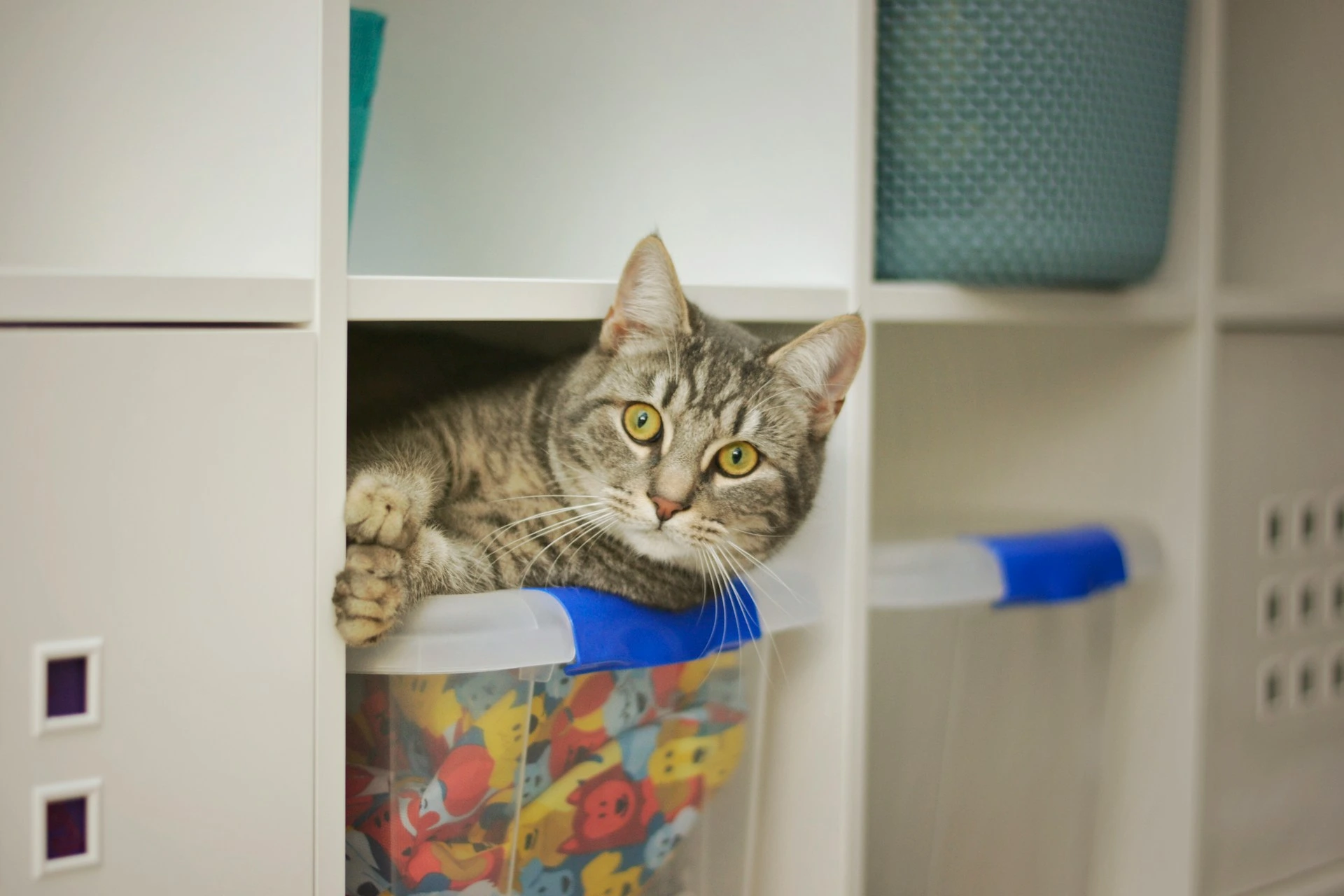
Provide at least one designated hiding space per kitty. This could be a covered bed, a cardboard box, or a cat tree cubby. These spots allow your feline pal to rest and observe from a safe distance.
Elevated Perches
Cats love height. It helps them feel in control of their surroundings. Offer vertical options like cat trees, window hammocks, or wall-mounted shelves.
If you live in a smaller home or apartment, window perches are an excellent way to give your kitty a front-row seat to the world outside. Watching birds, leaves, and people provides endless entertainment.
Temperature and Comfort
Cats are heat-seeking missiles. Keep cozy blankets or self-warming mats in their favorite spots—especially in cooler months.
Your Yorkville veterinary clinic can help determine if your senior cat would benefit from orthopedic bedding or extra cushioning for joint comfort.
Step 3: Encourage Natural Behaviors Through Enrichment
Cats are hardwired for activity. When confined indoors without stimulation, they can become bored, anxious, or even overweight. Enrichment gives them purpose, exercise, and joy.
Scratching Stations
Scratching isn’t bad behavior: it’s instinctual. It helps cats stretch, mark territory, and maintain healthy claws.
Provide multiple scratching surfaces throughout your home:
- Vertical posts covered in sisal or carpet
- Horizontal scratch pads or cardboard lounges
- Posts tall enough for a full-body stretch
Sprinkle catnip or use toys to encourage use. When cats have approved scratching options, your furniture will thank you!
Interactive Playtime
Play isn’t just for kittens: it’s a daily health booster for cats of all ages. Rotate toys to keep things exciting.
Some favorites include:
- Wand toys that mimic prey
- Laser pointers (end the game with a toy “catch”)
- Feather teasers and rolling balls
- Puzzle feeders for food-driven cats
Just 10–15 minutes of focused play twice a day helps reduce stress and maintain fitness.
Environmental Variety
Cats appreciate subtle changes in their surroundings. Rearrange furniture, add new hiding spots, or rotate cat trees periodically. It keeps their environment stimulating without being overwhelming.
At Safford Veterinary Services, we often suggest enriching “microenvironments”—different zones for eating, resting, playing, and climbing—to make even small spaces feel dynamic.
Sensory Enrichment
Appeal to your cat’s senses with gentle background sounds (like birds or soft music) or safe scents (such as silvervine or catnip). Some cats even enjoy watching cat-specific videos for mental stimulation.
Step 4: Create Safe Exploration Opportunities
Leash and Harness Training
Not all cats love outdoor adventures—but for those who do, harness training can open a world of exploration safely. Start indoors with short, positive sessions using treats and praise.
Outdoor leash time allows cats to experience new sights and smells without the risks of free roaming.
Catios: The Best of Both Worlds
If your space allows, a catio—a screened outdoor enclosure—lets your cat enjoy sunshine and fresh air securely. You can DIY one or buy a ready-made kit that attaches to windows or porches. Sunbathing and bird-watching are great stress relievers for indoor cats!
Step 5: Mental and Emotional Enrichment
Cats crave stability and a gentle routine. Emotional enrichment goes beyond toys—it’s about connection and comfort.
Daily Interaction
Even independent cats need love and attention. Spend time grooming, talking to, or cuddling your feline pal daily. This strengthens your bond and reinforces trust.
Training and Communication
Yes, you can train cats! Use positive reinforcement to teach simple cues like “come” or “sit.” Training provides mental stimulation and improves communication between you and your feline friend.
Preventing Stress
Small changes can stress cats. That includes things like moving furniture, adding new pets, or even changing cleaning scents. To minimize anxiety, introduce changes gradually and keep key items (like food dishes and litter boxes) consistent.
Pheromone diffusers and gentle music can also help create calm, especially during transitions.
Step 6: Litter Box Location and Hygiene
Clean, accessible litter boxes are essential to both health and happiness.
Golden rules:
- One box per cat, plus one extra
- Place boxes in quiet, low-traffic areas
- Scoop daily and wash weekly.
- Avoid scented litter that can deter use
Behavioral issues like avoiding the box are often linked to stress or cleanliness—something our Yorkville veterinary team can help troubleshoot if it persists.
Step 7: Monitor Health and Behavior Changes
Your cat’s environment and health are closely connected. If your cat starts hiding more, vocalizing, or showing sudden changes in appetite or litter habits, it could be due to stress or a medical issue.
Regular wellness exams at Safford Veterinary Services help determine whether the issue is behavioral or physical, enabling early, effective care.
Fun Facts About Cat Behavior and Safety
- Cats sleep up to 16 hours a day, but they prefer to change their resting spots regularly.
- Scratching releases endorphins—your cat’s natural stress relief!
- The average indoor cat can jump up to six times its body length.
- Cats can rotate their ears 180 degrees to detect the faintest household sounds.
Understanding these natural traits helps you create a home that truly caters to their instincts.
If you’re looking for ideas for DIY cat enrichment, the ASPCA has a great article you can read here. The SPCA of Texas has an article on choosing Fluffy’s toys, which you can read here.
FAQs About Cat Home Safety and Enrichment
What are the most common household dangers for cats?
Toxic plants, cleaning products, small ingestible items, and open windows are top hazards. Always double-check for these risks.
How can I tell if my cat is bored?
Bored cats may overgroom, eat more, or become destructive. Increasing playtime and variety usually helps.
Do indoor cats need as much enrichment as outdoor cats?
Yes—perhaps even more! Indoor cats rely on you to provide safe stimulation and variety.
Can cats get anxious from too much stimulation?
Absolutely. Every cat has a threshold. Balance playtime with plenty of calm, quiet spaces.
How often should I rotate toys or furniture?
Swap toys weekly and rearrange or refresh spaces every few months to keep things interesting.
Visit Our Yorkville, IL Veterinary Clinic for Cat Wellness and Advice
At Safford Veterinary Services in Yorkville, IL, we believe every cat deserves a safe, enriching home that supports their curious nature and emotional well-being. Our veterinarians can help you design the perfect setup for your feline companion—from behavior insights to safety recommendations and health checkups.
Whether you’re preparing your home for a new kitten or enriching life for a long-time feline friend, our caring team is here to guide you. If you’ve been searching for a vet near me who truly understands cats, visit our Yorkville veterinary clinic, which also serves DuPage, Kendall, and Kane counties, as well as Portions of DeKalb, Grundy, Will, and LaSalle counties. Contact us today to schedule a wellness exam or behavior consultation!
This article is for informational purposes only. Always consult your veterinarian for personalized medical advice, diagnosis, or treatment for your pet.
Would you like to learn more about our Plano, IL animal hospital? Are you looking for a vet that does house calls in Plano or Yorkville? Drop by our Services page for an overview of who we are and the services we offer, such as Wellness and Vaccinations, Nutrition and Weight management, and Spay/Neuter Surgery. You can also delve into specific services, such as Laser Therapy and Vetscalpel Laser Surgery.

How to Build a Safe and Enriching Home for Your Cat

The Importance of Annual Wellness Exams for Pets

Why Dogs Chew and How to Guide Better Habits

Weight Management Tips for Healthy, Active Pets

What to Expect When Adopting a Rescue Cat or Dog

Play Therapy: Strengthening Bonds Through Pet Play

Senior Dog Care Tips for Comfort and Longevity
Easy Home Enrichment Ideas for Indoor Cats

Understanding and Managing Dog Barking Behavior