Header Logo

Hydration Matters: Encouraging Pets to Drink More Water

Have you ever noticed that your cat’s water bowl hardly seems to empty? Does your dog wait until after a walk to take one big drink? Many pets don’t get as much water as they need each day, and dehydration can sneak up faster than you think.
At Safford Veterinary Services in Plano, IL, DuPage, Kendall, and Kane counties, as well as Portions of DeKalb, Grundy, Will, and LaSalle counties, our veterinarians often remind pet parents that hydration is just as important as nutrition for keeping dogs and cats healthy. Water supports nearly every vital function, from digestion and temperature regulation to joint lubrication and organ health. Yet many pets, especially cats, tend to drink less than they should.
Thankfully, helping your furry friend stay hydrated doesn’t have to be a challenge. With a few smart strategies—and a little creativity—you can encourage healthy drinking habits every day.
Why Hydration Is So Important for Pets
Water makes up about 60–80% of a pet’s body weight, depending on age and size. Without enough of it, their body can’t function properly.
Proper hydration helps with:
- Circulation and nutrient transport
- Digestive health and waste elimination
- Temperature regulation (especially in warm weather)
- Joint lubrication and muscle function
- Healthy skin and coat
- Kidney and urinary tract function
Even mild dehydration can cause fatigue, dry gums, and loss of appetite. Over time, chronic dehydration may contribute to kidney disease, urinary crystals, or constipation—especially in cats.
How Much Water Do Pets Need?
As a general guideline, dogs and cats should drink about one ounce of water per pound of body weight each day.
That means:
- A 10-pound cat should drink roughly 10 ounces (a little over a cup) daily.
- A 40-pound dog should drink about 40 ounces (five cups).
Of course, individual needs vary depending on diet, activity level, and environmental factors. Pets who eat dry food or spend time outdoors usually need more water than those on wet food diets or who live indoors.
If you’re unsure whether your pet’s water intake is adequate, ask your Plano veterinarian during your next wellness visit.
Common Signs of Dehydration
Since pets can’t tell us when they’re thirsty, it’s important to recognize the physical clues that may signal dehydration.
Watch for:
- Dry or sticky gums
- Sunken eyes
- Lethargy or weakness
- Reduced appetite
- Panting (especially when not exercising)
- Decreased skin elasticity (if you gently lift the skin on your pet’s neck and it doesn’t quickly return to place, dehydration could be the cause)
Severe dehydration can be life-threatening. If your pet refuses water, vomits repeatedly, or seems unusually weak, contact your veterinary clinic in Plano, IL, immediately.
Why Cats Are More Prone to Dehydration
Cats evolved as desert dwellers, meaning their bodies are naturally efficient at conserving water. While that adaptation once helped them survive in arid climates, it now works against them in modern homes.
Many cats simply don’t feel as thirsty as dogs and rely heavily on food for moisture intake. That’s why cats who eat only dry kibble are more likely to develop dehydration-related health problems such as urinary tract infections (UTIs) or kidney disease.
Encouraging your feline companion to drink more water—or switching to wet food—can make a big difference in long-term wellness.
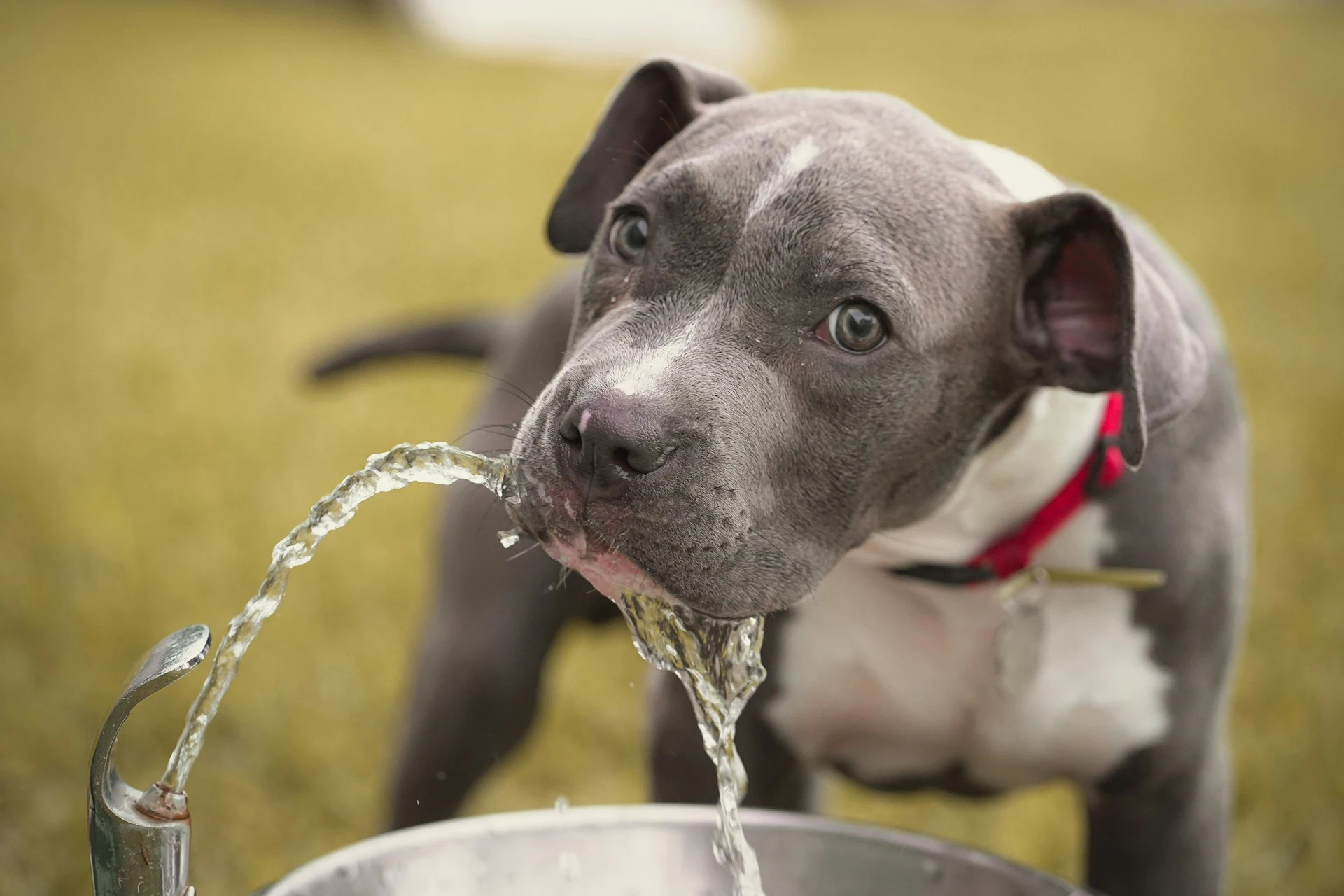
Encouraging Your Dog to Drink More Water
Dogs are usually more enthusiastic drinkers than cats, but they still need encouragement—especially active pups or those in warmer climates.
1. Keep Water Fresh and Accessible
Dogs are surprisingly picky about water quality. Refresh their bowl daily, and wash it regularly to remove bacteria or debris. Provide access in multiple areas of the house, especially where your dog spends most of their time.
If you’re often out and about, carry a portable water bottle and collapsible bowl so your canine companion can drink during walks or car rides.
2. Offer Flavor or Variety
Some dogs respond well to a little flavor boost. Try adding a splash of low-sodium chicken or beef broth (without onions or garlic) to their water to make it more enticing.
You can also freeze small pieces of fruit—like blueberries or apple slices—in water for a fun, cooling treat on hot days.
3. Make Hydration a Game
Turn drinking water into enrichment! Drop a few floating toys or ice cubes into the bowl and encourage your dog to play. It may seem silly, but it works.
4. Monitor Water Intake After Exercise
After walks or play sessions, give your pup access to cool water (not cold). Encourage small sips every few minutes to avoid gulping, which can cause stomach upset or bloating in larger breeds.
5. Use Stainless Steel or Ceramic Bowls
Plastic bowls can retain odors or tastes that make dogs hesitant to drink. Stainless steel or ceramic options are easier to clean and keep water tasting fresh.
Encouraging Your Cat to Drink More Water
Getting cats to drink more can be a challenge—but once you learn their preferences, it becomes much easier.
1. Try a Water Fountain
Cats love moving water. Pet fountains mimic natural running water and can stimulate your feline friend’s curiosity. Many cats drink significantly more once a fountain is introduced.
2. Offer Multiple Bowls
Place water bowls in different locations around your home, especially near resting or play areas. Some cats prefer wide, shallow bowls that don’t touch their whiskers (which can be sensitive).
3. Mix Wet and Dry Food
Incorporating wet food into your cat’s diet provides an extra source of moisture. You can also add a small amount of warm water or broth to their meals to increase fluid intake.
4. Keep It Fresh and Cool
Cats are discerning drinkers. Refresh water at least once daily and avoid placing bowls near litter boxes, where odors may deter them.
5. Offer Ice Cubes as Enrichment
Some cats enjoy licking or batting around ice cubes, especially if they contain a few flakes of tuna or broth. It’s a fun, simple way to encourage hydration and play.
Hydration for Pets on Special Diets
Pets with certain health conditions may have different hydration needs.
- Senior pets often require increased fluid intake due to kidney or liver changes.
- Pets on dry prescription diets may benefit from added water or a wet food supplement.
- Pets recovering from illness—especially vomiting or diarrhea—need extra hydration and electrolyte balance.
Your Plano animal hospital can help you develop a personalized hydration plan tailored to your pet’s age, diet, and medical history.
The Role of Hydration in Preventive Health
Proper hydration supports every aspect of preventive care. When pets are well-hydrated, they’re less likely to develop urinary stones, kidney disease, or heat-related illness.
During annual wellness exams, our veterinarians at Safford Veterinary Services often check hydration levels as part of routine physicals. It’s an easy but important way to catch early warning signs of dehydration or underlying health concerns.
When to Call the Vet
You should contact your veterinarian if you notice:
- Persistent vomiting or diarrhea
- Refusal to drink water
- Lethargy or collapse
- Sunken eyes or dry gums
- Unexplained weight loss
Prompt care can prevent complications and keep your furry friend feeling their best.
Fun Facts About Pet Hydration
- Cats prefer cool water between 50°F and–70°F.
- Dogs may drink more after meals high in sodium or protein.
- Many cats will drink more from a glass than a bowl—it’s all about novelty!
- Dehydration can make a pet’s fur appear dull and less soft to the touch.
You can read more about keeping pets hydrated at the Purina Institute’s website here. The Pet Food Institute has a helpful article on hydration here.
FAQs About Pet Hydration
How can I tell if my pet is dehydrated?
Check their gums and skin. Dry gums or a slow skin return when gently lifted at the neck can indicate dehydration.
Is tap water safe for pets?
Usually, yes—but if your local water has a strong odor or taste, filtered water may encourage your pet to drink more.
Should I add electrolytes to my pet’s water?
Only under veterinary guidance. Electrolyte solutions are sometimes helpful for sick or active pets, but they’re not necessary for healthy animals.
Can too much water be harmful?
Overhydration is rare but possible. Excessive drinking may signal an underlying issue like diabetes or kidney disease—contact your vet if you notice sudden changes.
Do pets need more water in summer?
Yes! Heat increases evaporation and activity levels. Always provide fresh, cool water, especially during walks or outdoor play.
Visit Our Plano, IL Veterinary Clinic for Hydration and Wellness Care
At Safford Veterinary Services in Plano, IL, we know that small steps—like encouraging regular water intake—can make a big difference in your pet’s health. Our experienced veterinarians can help you develop personalized pet hydration tips tailored to your furry friend’s age, lifestyle, and needs.
Whether your cat’s water bowl stays full all week or your dog can’t seem to drink enough, our veterinary team can identify the cause and recommend simple, effective solutions. If you’ve been searching for a vet near me who truly cares about lifelong pet wellness, schedule an appointment at our Plano veterinary clinic today.
This article is for informational purposes only. Always consult your veterinarian for professional advice, diagnosis, or treatment tailored to your pet’s needs.
Would you like to learn more about our Plano, IL animal hospital? We also serve pets in DuPage, Kendall, and Kane counties, as well as Portions of DeKalb, Grundy, Will, and LaSalle counties. If you are looking for a vet that does house calls in Plano or Yorkville, IL, drop by our Services page for an overview of who we are and the services we offer, such as Wellness and Vaccinations, Nutrition and Weight management, and Spay/Neuter Surgery. You can also delve into specific services, such as Laser Therapy and Vetscalpel Laser Surgery.
How to Build a Safe and Enriching Home for Your Cat
The Importance of Annual Wellness Exams for Pets

Why Dogs Chew and How to Guide Better Habits
Weight Management Tips for Healthy, Active Pets

What to Expect When Adopting a Rescue Cat or Dog
Play Therapy: Strengthening Bonds Through Pet Play
Senior Dog Care Tips for Comfort and Longevity
Easy Home Enrichment Ideas for Indoor Cats
Understanding and Managing Dog Barking Behavior