Header Logo

Signs of Stress in Cats and How to Ease Their Anxiety

Does your cat sometimes act like they’ve seen a ghost when the vacuum turns on? Does your kitty dart under the bed the moment you grab the carrier? You’re not alone. Cats are creatures of habit, and even small disruptions to their world can trigger stress. While a little nervousness is normal from time to time, ongoing anxiety can impact your feline friend’s health and happiness.
At Safford Veterinary Services in Yorkville, IL, DuPage, Kendall, and Kane counties, as well as Portions of DeKalb, Grundy, Will, and LaSalle counties, we have seen plenty of nervous felines! Our veterinarians are experts at soothing nervous kitties. Cat stress often hides behind subtle behaviors. From overgrooming to appetite changes, your feline pal might be telling you they’re overwhelmed in ways that are easy to miss. Learning to recognize these signs early can make all the difference for your kitty’s comfort and confidence.
Why Cats Get Stressed
Cats thrive on routine and predictability. Anything that disrupts their sense of safety—like a new environment, loud noises, unfamiliar pets, or even rearranged furniture—can trigger anxiety.
Common causes of feline stress include:
- Changes in the household, such as moving or adding new people or pets
- Loud noises like storms, fireworks, or construction
- Visits to the veterinarian or groomer
- Territorial conflicts in multi-cat homes
- Boredom or lack of stimulation
- Health problems or pain that make them feel vulnerable
Stress isn’t just emotional: it can affect your cat’s physical well-being, too. Chronic anxiety can contribute to urinary issues, digestive problems, and even skin conditions.
Physical and Behavioral Signs of Stress
Unlike dogs, cats rarely show stress through obvious behavior. Instead, their signals tend to be quiet, gradual, and easy to overlook. Paying close attention to your cat’s daily habits helps you notice when something’s off.
Physical Signs of Stress
- Overgrooming or Hair Loss
Excessive licking or biting can lead to bald patches, often on the belly, legs, or sides. This self-soothing behavior is similar to nail-biting in humans. It provides temporary comfort but can cause skin irritation. - Changes in Appetite
Stress may cause your cat to eat less or more than usual. If Fluffy suddenly skips meals or starts overeating, stress or illness could be to blame. - Digestive Upset
Anxious cats can develop diarrhea, vomiting, or constipation. Always consult your veterinarian to rule out medical causes first. - Frequent Urination or Accidents
Stress can trigger feline lower urinary tract disease (FLUTD), especially in male cats. If your cat starts urinating outside the litter box, it’s a red flag worth discussing with your vet clinic. - Poor Coat Condition
A dull, greasy, or unkempt coat may signal that your cat isn’t grooming properly—a common sign of emotional distress or illness.
Behavioral Signs of Stress
- Hiding or Avoidance
If your usually social feline companion starts spending more time under the bed or behind furniture, they may be feeling insecure. - Aggression or Irritability
Stressed cats can lash out—hissing, swatting, or biting when approached. This is their way of setting boundaries when they feel cornered. - Excessive Vocalization
Increased meowing, yowling, or crying (especially at night) may signal anxiety, confusion, or discomfort. - Restlessness or Pacing
Your cat might seem unable to settle down, pacing the house or frequently changing resting spots. - Clinginess or Withdrawal
Some cats become unusually needy, following you everywhere; others isolate themselves entirely. Both extremes can be stress indicators.
Recognizing these patterns early allows for quicker intervention—and a happier, more peaceful home for your feline pal.
How to Ease Stress in Cats
Once you’ve identified the signs, the next step is helping your kitty feel calm and secure again. Fortunately, most stress-related behaviors can be managed through gentle, environment-based strategies and consistent care.
1. Create a Safe, Predictable Space
Give your cat a quiet area where they can retreat and feel protected. This might be a cozy bed in a secluded corner, a cat tree, or even a designated “quiet room.”
Include familiar items like blankets, toys, and your scent (a worn T-shirt works wonders). Predictability is key. Keep feeding, playtime, and rest schedules as consistent as possible.
2. Offer Environmental Enrichment
Boredom is a major cause of stress, especially for indoor cats. Stimulate your feline friend’s body and mind with:
- Interactive toys that mimic prey behavior
- Scratching posts for natural stress relief
- Window perches for watching birds or enjoying outdoor activities.
- Cat tunnels for hiding and exploring
Aim for at least two play sessions per day—short, active bursts that simulate hunting behavior.
3. Use Calming Aids
If your cat’s anxiety is more persistent, calming products can help.
- Pheromone diffusers like Feliway mimic natural cat pheromones that promote relaxation.
- Herbal sprays or treats containing chamomile or L-theanine may reduce tension.
- Soft music or white noise can block environmental sounds that startle sensitive cats.
Always discuss new products with your vet to confirm they’re safe for your cat’s age and health status.
4. Address Litter Box Stress
Litter box issues often stem from anxiety, not stubbornness. To help your kitty feel comfortable:
- Keep boxes clean—scoop daily and wash weekly.
- Provide one box per cat, plus one extra, in different locations.
- Use unscented litter and avoid covered boxes if your cat seems hesitant.
- Avoid placing boxes in high-traffic or noisy areas.
A calm, private bathroom setup can significantly reduce tension for your feline companion.
5. Manage Household Changes
Cats are sensitive to even small changes. When moving, remodeling, or introducing new family members, ease the transition gradually.
Tips for big changes:
- Confine your cat to one quiet room during moves or renovations.
- Reintroduce them to the new environment slowly.
- Maintain familiar routines and feeding times throughout transitions.
6. Schedule Regular Veterinary Visits
Stress-related health problems often mimic physical illness. Regular visits to your Yorkville veterinary clinic can help you make sure your cat’s anxiety isn’t linked to pain, infection, or disease.
Your veterinarian can also recommend behavioral therapy, nutritional adjustments, or medications if anxiety becomes chronic.
7. Strengthen Your Bond
Sometimes, the best stress relief is your presence. Spend calm, positive time with your cat every day. Gentle petting, quiet conversation, or shared relaxation can do wonders.
Avoid forcing attention when your cat wants solitude; respect their boundaries. The goal is to build trust through consistent, reassuring interactions.
Helping Multi-Cat Households Thrive
In homes with multiple cats, tension often arises over territory or resources. To keep the peace:
- Provide separate feeding areas and litter boxes.
- Create vertical spaces (shelves or cat trees) so each cat can claim their own “zone.”
- Use pheromone diffusers in shared areas.
- Reward calm, friendly behavior between cats with treats or play.
Balanced resource distribution reduces competition and helps each cat feel secure.
Preventing Stress Before It Starts
Proactive care helps keep anxiety at bay. Try these preventive strategies:
- Introduce new pets slowly, using scent-swapping and gradual visual introductions.
- Keep routine vet visits to monitor health changes.
- Avoid sudden diet changes—transition new foods gradually over 7–10 days.
- Play daily to burn off nervous energy.
- Provide vertical space, like cat trees, for observation and confidence.
The more control and choice your cat feels they have in their environment, the less likely they’ll experience stress.
Fun Facts About Feline Stress
- Cats groom themselves to release calming endorphins—a built-in stress relief system!
- A cat’s purr can actually lower its own heart rate and reduce stress hormones.
- Multi-cat households are more peaceful when each cat has at least one private “safe zone.”
- Cats can recognize up to 100 different human facial expressions and respond best to calm, relaxed faces.
PetMD has an article on feline anxiety here. They also wrote a piece on stress in cats, which you can read here.
FAQs About Cat Stress and Anxiety
How can I tell if my cat is stressed or sick?
It can be hard to tell. Many physical symptoms overlap. If you notice appetite loss, vomiting, or changes in urine, schedule a vet visit to rule out illness.
Do cats get separation anxiety?
Yes, though it’s less common than in dogs. Some cats become clingy or destructive when left alone. Gradual independence training helps.
Can stress cause hair loss in cats?
Yes—overgrooming from stress can lead to bald patches. Your veterinarian can help determine if it’s behavioral or medical.
Are calming treats safe for cats?
Most are, but always check with your vet first to ensure ingredients are appropriate for your cat’s age and health.
When should I see the vet about stress?
If your cat’s behavior changes suddenly, or if stress leads to physical symptoms like hair loss or litter box issues, contact your veterinarian promptly.
Visit Our Yorkville, IL Veterinary Clinic for Cat Anxiety Support
At Safford Veterinary Services in Yorkville, IL, we understand that a calm cat is a healthy cat. Our caring veterinarians can help identify the source of your feline friend’s stress and develop a personalized plan to ease their anxiety, whether through environmental changes, behavioral support, or gentle medical options.
If you’ve been searching for a vet near me who understands feline emotions and wellness, visit our Yorkville veterinary clinic today. Together, we’ll help your cat feel safe, confident, and content once again.
This article is for informational purposes only. Always consult your veterinarian for medical advice, diagnosis, or treatment tailored to your pet’s needs.
Would you like to learn more about our Plano, IL animal hospital? Are you looking for a vet that does house calls in Plano or Yorkville? We also serve DuPage, Kendall, and Kane counties, as well as Portions of DeKalb, Grundy, Will, and LaSalle counties. Drop by our Services page for an overview of who we are and the services we offer, such as Wellness and Vaccinations, Nutrition and Weight management, and Spay/Neuter Surgery. You can also delve into specific services, such as Laser Therapy and Vetscalpel Laser Surgery.
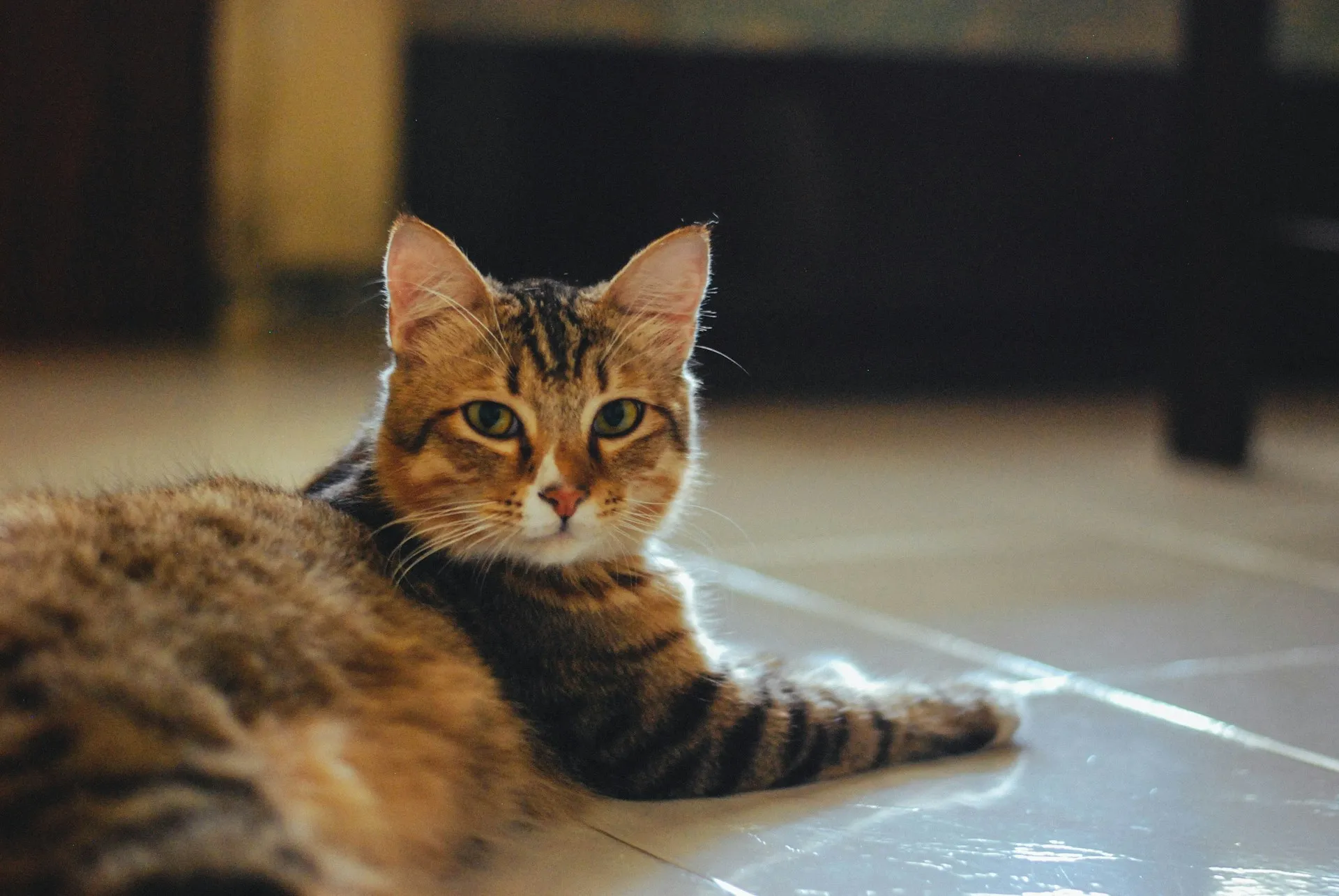
How to Build a Safe and Enriching Home for Your Cat
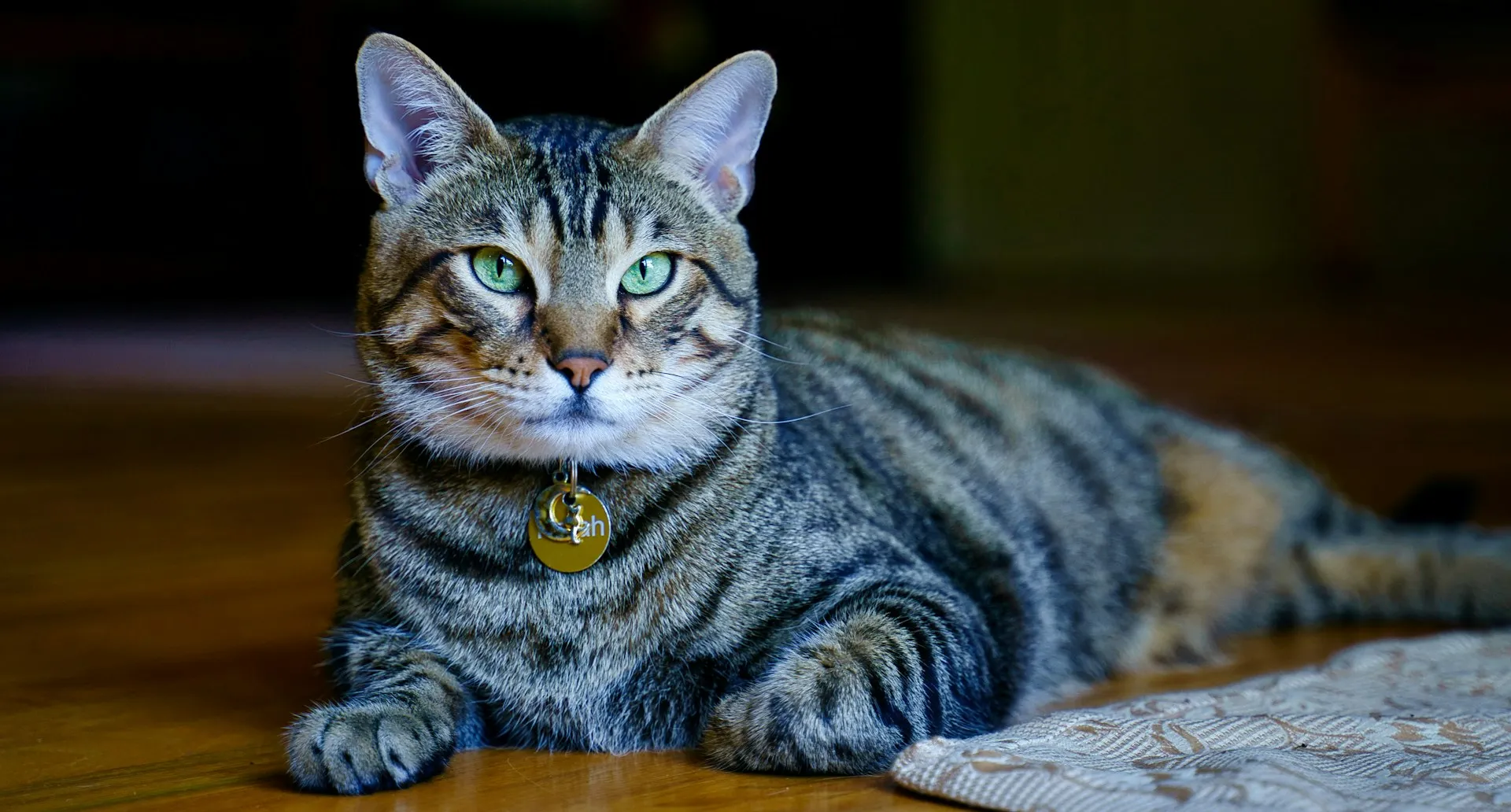
The Importance of Annual Wellness Exams for Pets

Why Dogs Chew and How to Guide Better Habits

Weight Management Tips for Healthy, Active Pets

What to Expect When Adopting a Rescue Cat or Dog

Play Therapy: Strengthening Bonds Through Pet Play

Senior Dog Care Tips for Comfort and Longevity
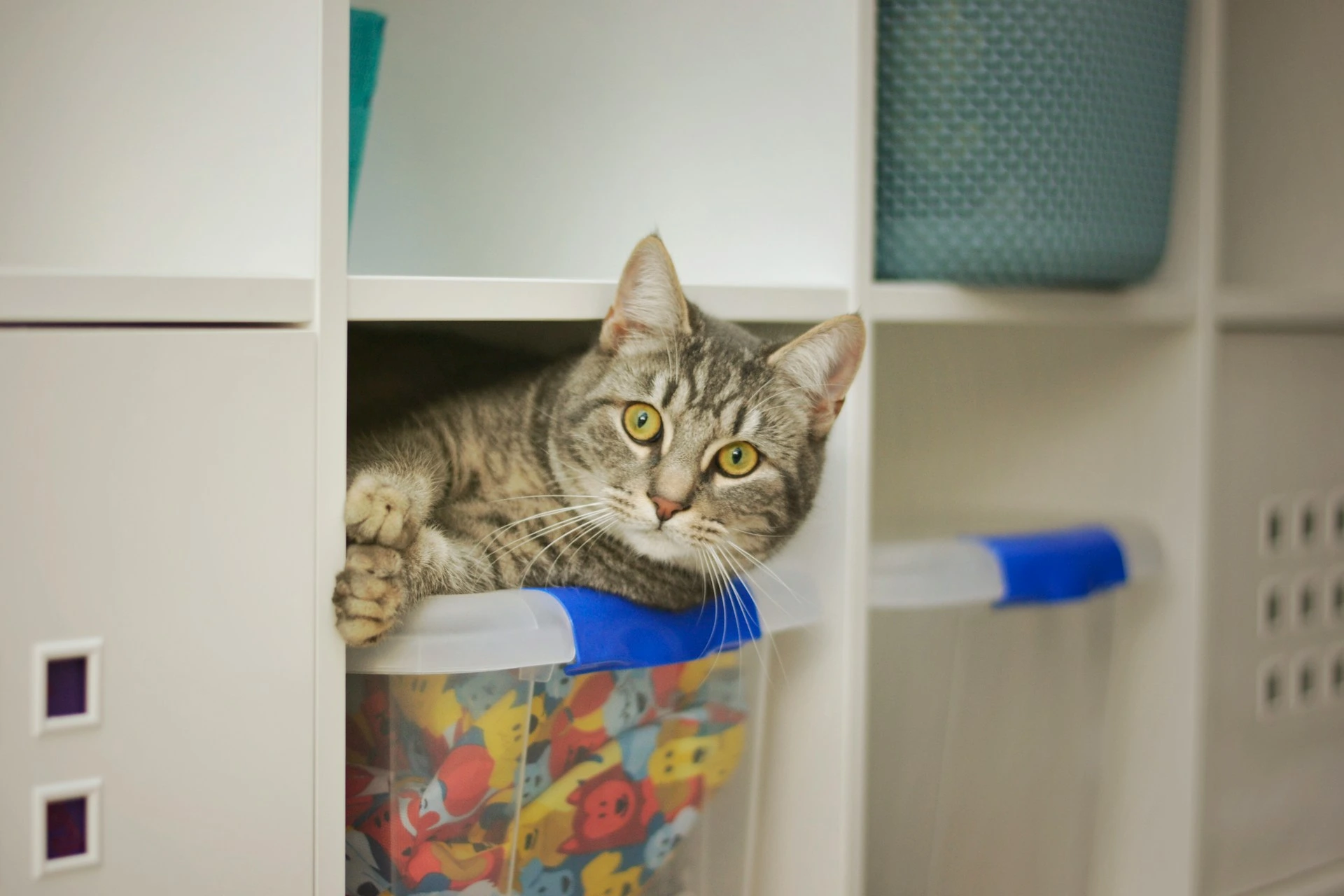
Easy Home Enrichment Ideas for Indoor Cats

Understanding and Managing Dog Barking Behavior