Header Logo

How to Socialize Your Dog for Confident Friendships

If you’ve ever watched a happy dog play at the park—tail wagging, tongue out, greeting new friends—you’ve seen what confidence looks like. Socialization is the secret behind that calm, well-adjusted behavior. It’s how your pup learns to navigate the world without fear or stress.
At Safford Veterinary Services in Plano, IL, also serving other local areas, including DuPage, Kendall, and Kane counties, and portions of DeKalb, Grundy, Will, and LaSalle counties, our veterinarians often remind pet parents that dog socialization isn’t just about meeting other dogs—it’s about teaching your furry friend how to feel safe and confident in every situation. Whether you’re raising a young puppy or helping an adult dog adjust, it’s never too late to build positive experiences and strengthen your dog’s social skills.
Why Socialization Matters
Socialization shapes how your dog perceives the world. Early, positive exposure to new people, sounds, environments, and other animals helps prevent fear-based behaviors later in life.
A well-socialized dog is typically:
- Calmer in new situations
- Easier to handle during vet visits or grooming
- Less likely to develop aggression or anxiety
- More confident when meeting new people and pets
In short, socialization is the foundation of emotional stability for your canine companion—and a key part of lifelong health and happiness.
The Ideal Window for Puppy Socialization
Puppies are most open to new experiences between 3 and 14 weeks of age. During this time, their brains are wired for learning and curiosity. Exposing them to different stimuli early on helps them develop resilience and adaptability.
Safe Exposures During Puppyhood
Your Plano veterinarian will guide you on balancing safety with exploration. Since young puppies aren’t fully vaccinated, focus on controlled environments like:
- Puppy classes with vaccinated dogs
- Short car rides
- Visits to friends’ homes
- Carrying your pup through parks or outdoor markets
- Exposure to household noises (vacuums, doorbells, music)
Introduce these experiences gently. Never overwhelm your pup. Positive, calm encounters build trust and prevent fear from forming.
The Power of Positive Reinforcement
Pair every new experience with something your puppy loves: treats, praise, or play. If your pup meets a new person and gets a treat afterward, they learn that new people equal good things.
Reward curiosity, not fear. If your puppy hesitates, give them time and encouragement instead of forcing interaction.
Socializing Adolescent and Adult Dogs
Missed the early window? Don’t worry. Older dogs can still learn social skills through gradual, patient exposure. The key is building confidence one step at a time.
Start Small and Controlled
Begin with calm, predictable environments—your backyard, a quiet street, or a friend’s fenced yard. Introduce new people or animals slowly. Let your dog observe before interacting.
When your pup shows relaxed body language (soft eyes, loose tail, steady breathing), reward them with treats and calm praise if they seem tense or scared, back off and try again later.
Recognize and Respect Body Language
Understanding your dog’s signals prevents overstimulation and fear.
Signs of comfort:
- Wagging tail (mid-level, loose motion)
- Soft eyes and relaxed ears
- Open mouth, playful bow, gentle curiosity
Signs of stress:
- Stiff posture
- Tucked tail or lip licking
- Growling, barking, or avoiding eye contact
When you notice stress signals, calmly redirect your dog to a safer distance or end the interaction on a positive note.
Controlled Dog Interactions
Not every dog wants to be best friends with every other canine—and that’s okay! Focus on positive, neutral greetings.
- Begin with parallel walks: two dogs walking side by side at a safe distance.
- Let them sniff and observe each other calmly before closer contact.
- Keep leashes loose to avoid tension and tangled signals.
Avoid dog parks until your dog shows confidence around one or two calm dogs first. Overcrowded environments can overwhelm even friendly pups.
Building Confidence in New Situations
Socialization isn’t limited to meeting dogs—it’s about helping your canine buddy feel at ease in all aspects of life.
Everyday Experiences That Build Comfort
- Car rides: Start with short, fun trips instead of only vet visits.
- Handling practice: Gently touch paws, ears, and tail so your dog learns it’s safe.
- Grooming exposure: Introduce brushing, nail trims, and baths gradually.
- Surface exploration: Let your dog walk on various surfaces, such as grass, gravel, or tile.
- Environmental sounds: Play recordings of thunder, fireworks, or crowds at low volume, increasing slowly over time.
The more variety your pup experiences safely, the more adaptable they become.
Common Mistakes to Avoid
Even with the best intentions, some approaches can backfire.
1. Forcing interactions.
If your dog is scared, pushing them closer only increases fear. Confidence grows through choice, not pressure.
2. Overcrowding experiences.
Too many new sights and sounds at once can overwhelm your pup. Introduce one or two stimuli at a time.
3. Neglecting continued socialization.
Even confident dogs need ongoing exposure to stay comfortable. Make social activities part of your routine.
4. Skipping reward-based methods.
Positive reinforcement teaches your dog that the world is safe. Avoid punishment or scolding during stressful moments.
The Role of Training and Enrichment
Training is an extension of socialization. Teaching your dog commands like “sit,” “stay,” and “leave it” gives them structure and confidence during social interactions.
Interactive enrichment also supports mental wellness:
- Puzzle toys and scent games challenge your dog’s mind.
- Short training sessions build focus.
- Supervised playdates add social variety.
Our veterinarians in Plano, IL often recommend enrolling in basic obedience or socialization classes taught by trainers who use positive reinforcement.
Helping Rescue or Fearful Dogs
Rescue dogs sometimes come with unknown histories. They may have missed early socialization or experienced trauma. The key is patience and consistency.
- Keep introductions brief and calm.
- Provide a safe retreat space at home.
- Celebrate small victories, like accepting a treat from a new person.
- Never punish fearful reactions—comfort and reassurance work best.
Over time, your dog’s trust will grow, and so will their confidence.
Fun Socialization Activities
Once your dog is comfortable, you can build on their skills with fun, enriching outings. Try:
- Group walks with other calm dogs
- Visits to pet-friendly stores or outdoor cafés
- Playdates with well-matched canine friends
- Canine sports like agility, rally, or scent work
These activities strengthen your bond while reinforcing positive behavior in new settings.
When to Seek Veterinary or Behavioral Support
Sometimes, fear or reactivity runs deeper than simple shyness. If your dog’s anxiety leads to aggression, panic, or destructive behavior, call us. Our Plano animal hospital can help.
We’ll evaluate your dog’s health, rule out underlying pain or illness, and refer you to trusted trainers or veterinary behaviorists if needed.
In some cases, short-term medication or calming supplements may support training by reducing stress levels. Our goal is always gentle, individualized care.
Fun Facts About Dog Socialization
- Puppies have their first socialization “window” before 14 weeks, but reinforcement lasts a lifetime.
- Dogs learn emotional cues by watching humans—they can tell when you’re nervous!
- Socialized dogs live longer, healthier lives due to reduced chronic stress.
- The average dog knows 165–200 words—positive communication goes a long way.
You can learn more about introducing two dogs on the ASPCA site here. Animal Humane has a blog on socializing your canine pal here.
FAQs About Dog Socialization
When should I start socializing my puppy?
As soon as your veterinarian says it’s safe—typically after the first set of vaccinations. Controlled exposure can begin even earlier at home.
Can adult dogs still be socialized?
Absolutely. It just takes more patience. With calm introductions and positive reinforcement, adult dogs can build new skills at any age.
Is dog daycare good for socialization?
It depends on your dog’s personality. Confident, playful dogs may love it. Timid or reactive dogs often do better with smaller, structured playgroups.
What should I do if my dog growls or barks at others?
Stay calm and increase distance. Don’t punish growling—it’s communication. Work with a vet or trainer to address the root cause.
How long does it take to socialize a dog?
There’s no set timeline. Some dogs build confidence in weeks, while others take months. The key is gentle, consistent exposure.
Visit Our Plano, IL Veterinary Clinic for Behavior and Socialization Guidance
At Safford Veterinary Services in Plano, IL, also serving other local areas, including DuPage, Kendall, and Kane counties, and portions of DeKalb, Grundy, Will, and LaSalle counties, we believe every dog deserves to explore the world with confidence. Our compassionate veterinarians can help you design a socialization plan tailored to your dog’s personality, age, and comfort level.
Whether you’re starting fresh with a new puppy or helping an older dog rebuild trust, our team offers expert advice and support every step of the way. If you’ve been searching for a vet near me who understands dogs’ emotional and behavioral needs, schedule a visit at our Plano veterinary clinic today.
This article is for informational purposes only. Always consult your veterinarian for medical advice, diagnosis, or treatment tailored to your pet’s needs.
Would you like to learn more about our Plano, IL animal hospital? Are you looking for a vet that does house calls in Plano or Yorkville? Drop by our Services page for an overview of who we are and the services we offer, such as Wellness and Vaccinations, Nutrition and Weight management, and Spay/Neuter Surgery. You can also delve into specific services, such as Laser Therapy and Vetscalpel Laser Surgery.

How to Build a Safe and Enriching Home for Your Cat

The Importance of Annual Wellness Exams for Pets

Why Dogs Chew and How to Guide Better Habits

Weight Management Tips for Healthy, Active Pets

What to Expect When Adopting a Rescue Cat or Dog
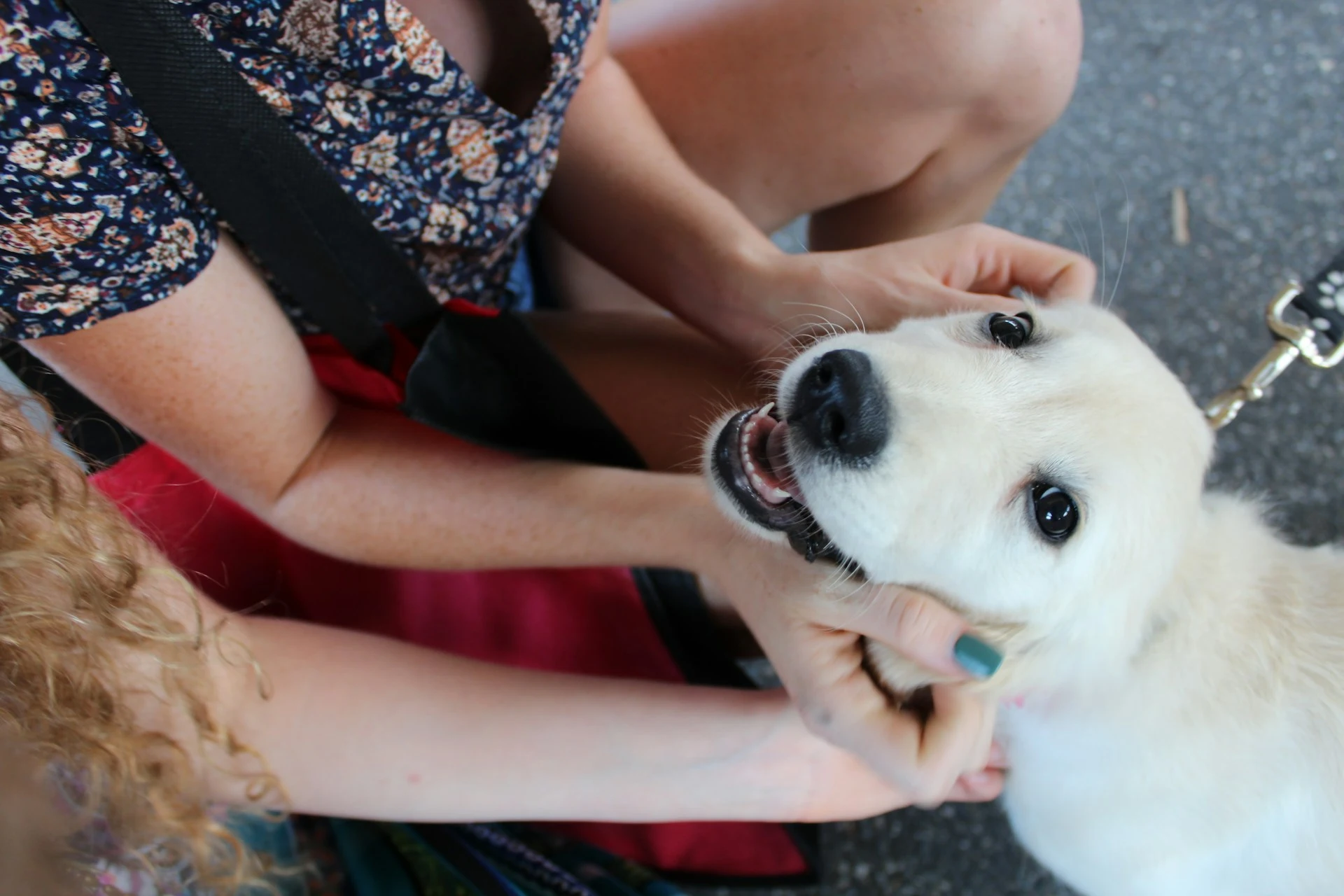
Play Therapy: Strengthening Bonds Through Pet Play
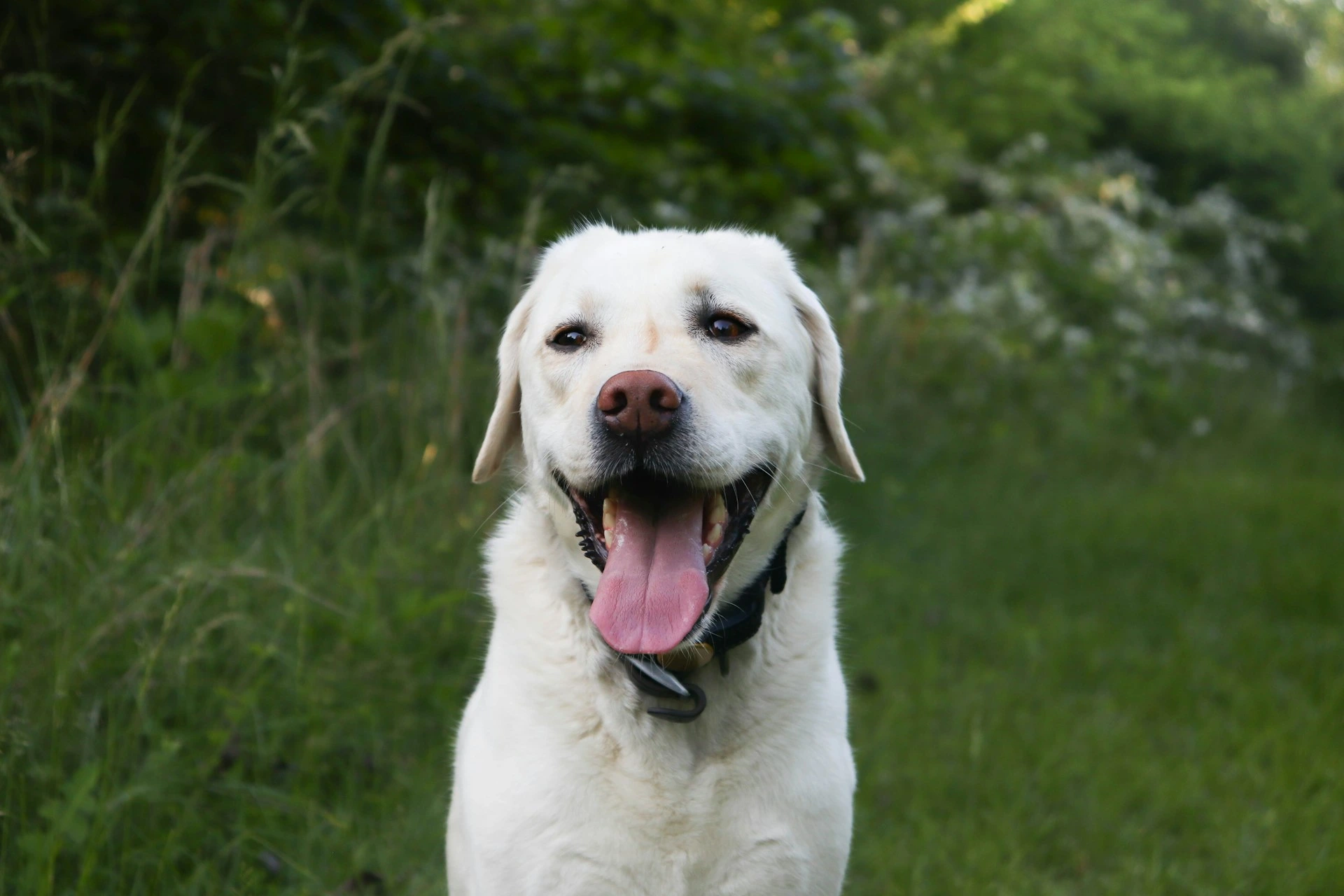
Senior Dog Care Tips for Comfort and Longevity

Easy Home Enrichment Ideas for Indoor Cats

Understanding and Managing Dog Barking Behavior