Header Logo

Puppy Care FAQs: Everything You Should Know

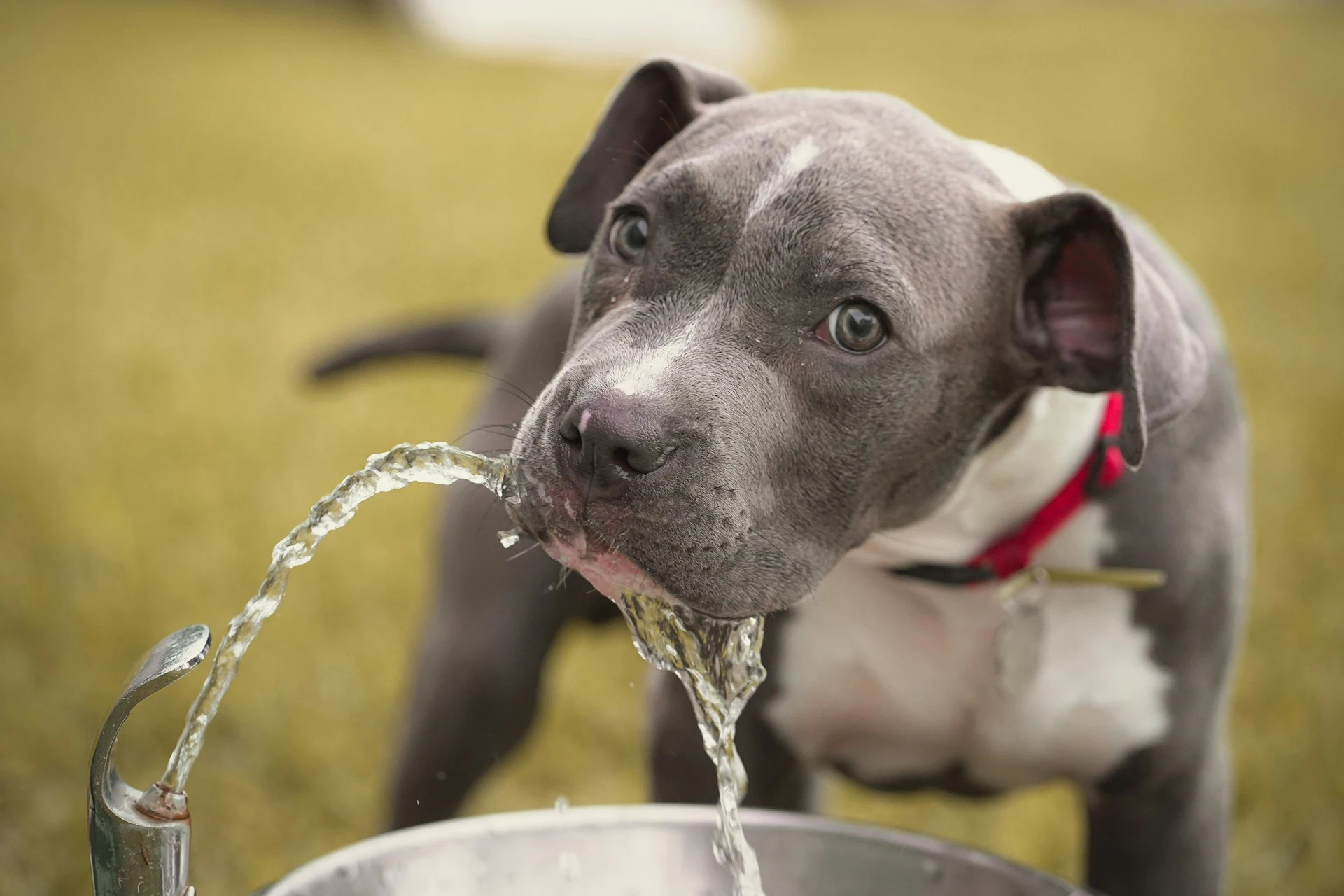
Bringing a new puppy home is a joyful and gratifying experience, but it also requires a lot of responsibility. New puppy owners frequently have questions regarding feeding, training, health care, and socializing. To help you navigate puppy parenthood, we’ve assembled a list of frequently asked questions and responses from a Yorkville, IL veterinarian.
How Often Should You Feed Your Puppy?
Puppies require regular feedings to maintain their rapid growth and development. The general food guidelines are:
Feed four meals per day from 6 to 12 weeks old.
Feed three meals per day from three to six months old.
6-12 months old: Feed twice a day.
Most dogs over one year old can be fed once or twice a day.
Always use high-quality dog food that contains important nutrients. Consult your veterinarian for nutrition suggestions depending on your puppy’s breed and size.
When Should I Start Training My Puppy?
Training should start as soon as you get your puppy home. Early training helps to teach positive behaviors and prevent undesirable habits from emerging. The key training milestones include:
Begin house training immediately. Take your dog outside frequently and thank them for eliminating in the appropriate location.
Basic Commands: Around 8 weeks old, start teaching instructions like “sit,” “stay,” and “come”.
Socialization: Begin introducing your puppy to new people, situations, and pets at a young age.
Start leash training at 8-10 weeks old with brief, positive sessions.
Ask your Minooka, IL vet for more information.
How Do I Deal With Teething And Chewing?
Puppies experience teething between the ages of 3 and 6 months. To prevent harmful chewing, provide chew toys specifically developed for teething puppies.
Redirect biting activity away from furniture or shoes and toward acceptable toys.
Avoid giving children old shoes or socks, as this might be confusing.
Use bitter-tasting sprays on furniture to discourage chewing.
When Should I Take My Puppy To The Yorkville, IL Veterinarian?
Regular veterinary care will help your puppy grow up healthy and strong. Veterinary appointments to our veterinary facility should be scheduled as soon as you bring your puppy home. Your puppy will need:
- A general wellness examination.
- Vaccinations (often beginning at 6-8 weeks old and continuing in a sequence).
- Parasite Prevention
This is also a good time for a discussion on spaying or neutering, as that should happen sooner rather than later.
How Much Exercise Does My Puppy Need?
Puppies are highly lively and require physical activity to keep healthy. However, their developing bones and joints necessitate cautious exercise management. The type and amount of exercise your pet needs depends on his size, breed, age, and health. A Chihuahua may get plenty of activity just running around the house, but a Border Collie may need an hour or more of vigorous exercise.
How Can I Socialize My Puppy?
Socialization is critical for avoiding fear and aggressiveness later in life. Expose your puppy to diverse individuals, including people of all ages and walks of life.
Here are a few other things to expose your pet to:
- Other vaccinated, friendly dogs.
- Different noises, surfaces, and settings.
- New/unfamiliar places.
- Short automobile rides
- Veterinary appointments.
Positive reinforcement, such as treats and praise, can help Fido form a positive outlook about the world, which will help him become accepting of new experiences later on.
What Vaccines Do My Puppy Need?
Vaccines protect puppies from dangerous diseases. The core immunization schedule comprises distemper, hepatitis, parainfluenza, parvovirus, and rabies. Your veterinarian may also recommend additional immunizations, such as leptospirosis and Bordetella.
When Should I Begin Grooming My Puppy?
Grooming should begin early to assist your puppy become accustomed to the practice. This includes:
Brushing: Brushing their coat on a regular basis helps to avoid matting and keeps it healthy.
Bathe using puppy-safe shampoo. Dog bathing schedules vary widely, depending on coat type, so ask your vet for recommendations.
- Nail trimming: Trim your et’s nails every 2-4 weeks.
- Ear cleaning: To avoid infections, clean your dog’s ears regularly.
- Dental care: Brush your pet’s teeth everyday or use dental treats.
How Can I Stop My Puppy From Biting?
Puppy biting is common, but it should be handled appropriately:
- Redirect biting to chewing toys.
- To replicate littermate behavior, respond with a forceful “no” or yelp when bitten.
- To discourage rough play, stop playing and ignore them.
- Encourage gentle play with praise and treats.
How Do You Crate Train Your Puppy?
Crate training helps with housebreaking and provides a safe environment for your dog. The steps for successful crate training are:
- Choose an adequate crate size (just big enough for them to stand and turn around).
- Introduce the crate using rewards and praise.
- Feed meals inside the crate to foster positive associations.
- Gradually increase crate time, beginning with brief intervals.
- Never use the box for punishment.
How Do I Prevent Separation Anxiety?
To reduce separation anxiety in pups, start with short periods of alone time and gradually expand it.
- Provide interactive toys to keep puppies entertained.
- Avoid excessive greetings and goodbyes.
- Tire your pet out with walks and playtime before leaving.
- Turn a TV or radio on for background noise.
Should I Spay Or Neuter My Puppy?
Spaying (for females) and neutering (for males) reduces unwanted litters, which is a huge animal welfare problem. The procedures also provide health and behavioral benefits. Consult your Yorkville, IL veterinarian about the ideal timing. This will be based on your puppy’s breed and size: you may need to wait a bit longer for a big dog.
What Should I Do If My Puppy Has an Accident at Home?
Accidents are a common component of house training. When this happens, use an enzymatic cleanser to thoroughly clean the area.
- Avoid disciplining your puppy, since it can cause fear.
- Encourage good toilet habits by taking them outside frequently and rewarding achievement.
How Do I Select the Right Toys for My Puppy?
Toys should be safe, sturdy, and suitable for your puppy’s size and chewing tendencies. Consider:
- Chew toys help with teething while also keeping kids engaged.
- Puzzle toys stimulate the mind.
- Balls and tug toys are ideal for fetch and bonding exercises.
Final Thoughts
Raising a dog is a wonderful yet tough undertaking. With proper care, training, and socialization, your puppy will develop into a well-behaved and affectionate companion. If you have any concerns, please consult your Yorkville, IL veterinarian or a professional trainer. Enjoy your travels with your new fuzzy companion!
Schedule an appointment at our Yorkville, IL pet hospital.
Is it time for your favorite pet to have an exam, immunizations, or parasite control? Are you looking for a quality vet clinic in Yorkville, IL? Please don’t hesitate to contact us. As your local pet hospital, we are here to assist!

How to Build a Safe and Enriching Home for Your Cat

The Importance of Annual Wellness Exams for Pets

Why Dogs Chew and How to Guide Better Habits

Weight Management Tips for Healthy, Active Pets

What to Expect When Adopting a Rescue Cat or Dog

Play Therapy: Strengthening Bonds Through Pet Play

Senior Dog Care Tips for Comfort and Longevity
Easy Home Enrichment Ideas for Indoor Cats

Understanding and Managing Dog Barking Behavior