Header Logo

Creating a Pet Routine That Promotes Daily Wellness

Ever notice how your dog seems to know when it’s mealtime, or how your cat starts pacing by the window right before you get home? Pets thrive on predictability. A solid routine helps them feel secure, confident, and well cared for. At Safford Veterinary Services in Plano, IL, also serving other local areas, including DuPage, Kendall, and Kane counties, and portions of DeKalb, Grundy, Will, and LaSalle counties, our veterinarians often remind pet parents that daily structure is one of the simplest and most powerful tools for keeping their furry friends healthy and happy.
A great pet wellness routine does more than organize your day; it lays the foundation for your pet’s physical health, emotional balance, and long-term wellbeing. Whether you share your home with an energetic pup, a laid-back feline, or both, establishing daily habits can make life smoother for everyone.
Why Routines Matter for Pets
Just like people, pets feel more relaxed when they know what to expect. A consistent schedule provides stability and helps prevent anxiety or behavioral issues.
Dogs, for example, often mirror their owners’ energy and mood. When daily life is predictable—feeding times, walks, rest periods—they feel more secure and are less likely to act out. Cats also rely on routine to feel safe, which explains why they sometimes protest when things change (even something as simple as moving the furniture!).
A structured schedule also helps you maintain a balanced approach to your pet’s wellness, covering diet and exercise, grooming, and veterinary care.
Building a Healthy Daily Routine
Every pet’s needs are unique, but there are a few universal pillars of daily care that promote wellness.
1. Consistent Feeding Times
Feeding your pet at the same time each day supports digestion, metabolism, and weight management. Dogs and cats both benefit from predictable meals rather than free feeding.
- Dogs: Two meals a day, spaced 10–12 hours apart, works well for most adult dogs. Puppies may need smaller, more frequent meals.
- Cats: Two to three small meals a day help mimic natural hunting patterns and reduce overeating.
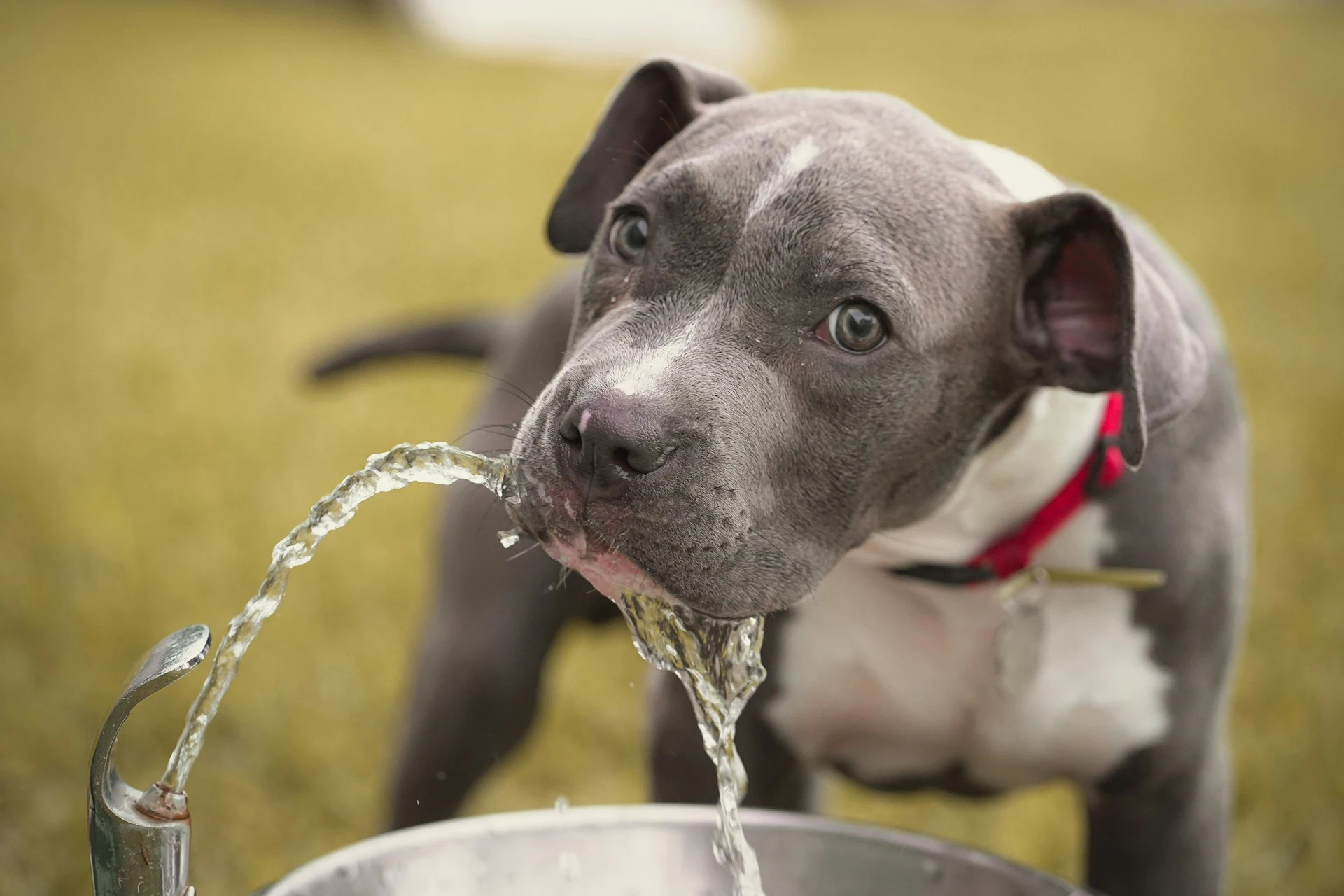
Always provide fresh water, and consider using pet-safe fountains to encourage hydration, especially for cats.
2. Daily Exercise
Regular physical activity keeps your pet fit, prevents obesity, and strengthens the bond between you.
For Dogs:
- Morning and evening walks give your pup a chance to stretch, sniff, and socialize.
- Incorporate playtime—fetch, tug-of-war, or agility games—to engage their body and mind.
For Cats:
- Use interactive toys like feather wands or laser pointers for daily play sessions.
- Vertical climbing structures and scratching posts encourage movement and exploration.
Even indoor cats benefit from daily exercise—it helps prevent boredom and supports joint health.
3. Mental Enrichment
A healthy body needs a healthy mind. Mental stimulation is a key part of a balanced routine for pets.
Try these activities:
- Puzzle feeders to make mealtime mentally engaging.
- Training sessions with simple commands or tricks.
- New experiences, like safe car rides or exploring different walking routes.
Variety keeps your pet’s brain active, reducing stress and unwanted behaviors.
4. Rest and Sleep
Adequate rest is just as important as activity. Most dogs need 12–14 hours of sleep per day, while cats average 16–18 hours. Provide a quiet, comfortable space where your pet can nap undisturbed.
Older pets especially appreciate orthopedic beds for extra joint support—something our veterinarians often recommend for senior patients.
5. Grooming and Hygiene
Regular grooming supports skin health, reduces shedding, and helps you spot issues early.
For Dogs: Brush daily or weekly, depending on coat type, trim nails every few weeks, and bathe as needed with pet-safe shampoo.
For Cats: Most kitties handle basic grooming themselves, but long-haired breeds benefit from gentle brushing to prevent matting.
Check ears, teeth, and paws during grooming sessions—these are common areas where early signs of health issues appear.
6. Training and Manners
Consistent training builds communication and trust. Even mature pets benefit from reinforcement of basic commands like “sit,” “stay,” and “come.”
Positive reinforcement training works best. Reward desired behavior with praise or treats, and stay patient. Training is about teamwork, not dominance.
7. Quality Time and Affection
Don’t underestimate the emotional benefits of bonding time. Daily cuddles, gentle petting, or quiet companionship boost your pet’s mood and reinforce their sense of belonging.
For dogs, affection often comes through shared play or calm physical touch. Cats may prefer head scratches or simply sitting beside you. Learn your pet’s love language: it deepens your relationship and reduces anxiety.
The Wellness Side of Routine
Creating structure doesn’t just help with behavior—it’s a cornerstone of preventive health care.
Regular Veterinary Checkups
Scheduling annual or semiannual visits to your Plano animal hospital helps detect health concerns early. Routine exams help track weight, dental condition, heart function, and more.
We recommend biannual checkups to monitor joint mobility, cognitive changes, and organ health. If your pet has health issues, your vet may recommend more frequent visits.
Vaccinations and Preventive Care
Keeping up with vaccines and parasite prevention protects both your pet and your household. Incorporate reminders into your calendar or your pet’s care log so doses and boosters stay up to date.
Nutrition and Weight Tracking
Routine feeding and scheduled weigh-ins at your vet clinic help catch trends like gradual weight gain or loss. Balanced nutrition supports everything from energy levels to coat health.
Dental Care Routine
Don’t forget the mouth! Regular brushing or dental treats can prevent painful gum disease. Set aside a few minutes several times a week to care for your pet’s teeth, just as you’d brush your own.
Creating a Routine That Fits Your Lifestyle
Every family’s schedule looks different, but consistency is key. You don’t have to follow a rigid clock. Just aim for reliable patterns your pet can count on.
Sample Daily Schedule
Morning:
- Bathroom break and short walk (dogs)
- Fresh water and breakfast
- Quick play session
Midday:
- Potty break or brief exercise
- Quiet rest time
Evening:
- Dinner at a consistent hour
- 15–20 minutes of active play or a walk
- Brushing or a short grooming session
- Calm bonding time before bed
Cats may prefer shorter bursts of activity scattered throughout the day, while dogs often enjoy more structured exercise blocks.
Adapting the Routine for Life Stages
Your pet’s needs change with age, and their routine should evolve too.
Puppies and Kittens
Young pets require more frequent meals, potty breaks, and socialization time. Training sessions should be short and fun to build confidence.
Adult Pets
Once mature, your pet will benefit from a steady, balanced schedule of exercise, enrichment, and relaxation.
Senior Pets
Older dogs and cats may need shorter walks, softer bedding, and extra bathroom breaks. Consistent mealtimes and gentle activity help them stay comfortable and engaged.
Our veterinarians in Plano, IL, can help you tailor your pet’s daily schedule to meet changing needs at every stage of life.
The Benefits of a Structured Pet Routine
A consistent routine offers measurable health and emotional benefits for both you and your pet:
- Fewer behavioral issues like anxiety or restlessness
- Improved digestion and a healthier appetite
- Better sleep quality
- Stronger human-animal bond
- Early detection of medical problems through observation
When your pet knows what to expect, they feel safer, happier, and more confident—creating a calmer home environment for everyone.
Fun Facts About Pet Routines
- Dogs have an internal clock—they can anticipate daily events within minutes.
- Cats’ circadian rhythms often sync with their owners over time.
- Regular exercise helps regulate hormone balance in pets, improving mood and focus.
- Pets who follow structured routines tend to live longer, healthier lives.
Dogs Trust shared some insight about getting Fido on a daily doggy schedule here. Apartment Therapy also has an article on this here.
FAQs About Pet Wellness Routines
How strict should my pet’s routine be?
It doesn’t have to be exact to the minute. Aim for consistency in order rather than time—your pet notices the pattern more than the clock.
What if my schedule changes often?
Gradually adjust feeding and walking times to help your pet adapt. Keep the same number of activities each day, even if the times shift.
Can routines help with anxiety?
Yes! Predictable structure reassures pets and reduces stress caused by uncertainty.
How can I balance routines with spontaneous play?
Structure the basics—feeding, walks, rest—then add flexible playtimes for variety and fun.
Do cats really need routines?
Absolutely. Cats thrive on stability just as much as dogs do. Feeding, playtime, and quiet rest should follow a rhythm that matches your household.
Visit Our Plano, IL Veterinary Clinic for Preventive Pet Wellness
At Safford Veterinary Services in Plano, IL, also serving other local areas, including DuPage, Kendall, and Kane counties, and portions of DeKalb, Grundy, Will, and LaSalle counties, we believe that daily routines are the secret to your pets’ lifelong health and happiness. Our experienced veterinarians can help you build a personalized pet wellness routine that fits your schedule and supports every aspect of your pet’s wellbeing.
From annual exams and nutritional advice to behavioral guidance and preventive care, our team is here to support you every step of the way. If you’ve been searching for a vet near me who values proactive wellness and compassionate care, schedule an appointment at our Plano veterinary clinic today.
This article is for informational purposes only. Always consult your veterinarian for medical advice, diagnosis, or treatment tailored to your pet’s needs.
Would you like to learn more about our Plano, IL animal hospital? Are you looking for a vet that does house calls in Plano or Yorkville? Drop by our Services page for an overview of who we are and the services we offer, such as Wellness and Vaccinations, Nutrition and Weight management, and Spay/Neuter Surgery. You can also delve into specific services, such as Laser Therapy and Vetscalpel Laser Surgery.

How to Build a Safe and Enriching Home for Your Cat

The Importance of Annual Wellness Exams for Pets

Why Dogs Chew and How to Guide Better Habits

Weight Management Tips for Healthy, Active Pets

What to Expect When Adopting a Rescue Cat or Dog

Play Therapy: Strengthening Bonds Through Pet Play
Senior Dog Care Tips for Comfort and Longevity
Easy Home Enrichment Ideas for Indoor Cats

Understanding and Managing Dog Barking Behavior