Header Logo

Understanding Your Dog’s Body Language and Signals

Ever wonder what your dog is really trying to tell you with that wagging tail or tilted head? Dogs have their own rich language, one spoken not in words but through movement, posture, and expression. At Safford Veterinary Services in Plano, IL, our veterinarians often help pet parents decode these silent messages so they can better understand and connect with their canine companions.
Learning to read your dog’s body language can help you recognize when your pup feels happy, anxious, or unsure. Whether you’re training, introducing your dog to new situations, or simply bonding, understanding canine communication leads to a happier and more confident four-legged friend.
Why Reading Your Dog’s Body Language Matters
Dogs are incredibly expressive, but they don’t always communicate the way we expect. A wagging tail, for instance, doesn’t always mean “I’m happy!”—sometimes it means “I’m nervous” or “I’m alert.” Misreading these cues can cause confusion or even unsafe situations, especially when meeting new dogs or people.
At our Plano veterinary clinic, we encourage dog owners to observe their pup’s whole body, not just one feature. A relaxed tail, combined with soft eyes, means something very different from a stiff tail and tense muscles. When you learn to read the signs, you strengthen your bond and prevent misunderstandings.
The Key Elements of Canine Communication
Dogs use every part of their body to express themselves. Let’s look at what each signal means in context.
Tail Talk: More Than a Wag
- Gentle, sweeping wag: Friendly and relaxed—your dog is happy to see you.
- Fast, tight wag with stiff tail: High arousal—could be excitement or anxiety.
- Low tail tuck: Fear or submission.
- Tail held high and rigid: Alertness or dominance.
The position and movement of the tail vary by breed, so it helps to know what’s “neutral” for your dog. For instance, a Greyhound’s neutral tail sits low, while a Husky’s may curl up naturally.
Ear Position: Listening to Their Emotions
- Forward ears: Curiosity or alertness.
- Pinned back: Fear, anxiety, or submission.
- Relaxed, sideways ears: Calm and content.
Dogs with floppy ears may show subtler movements, but even small shifts can reveal their mood.
Eyes: The Window to Their Mind
A dog’s eyes are incredibly expressive. Pay attention to the look, not just the gaze.
- Soft eyes and slow blinks: Relaxed, happy, or trusting.
- Wide eyes with visible whites (“whale eye”): Stress or fear.
- Averted gaze: Avoidance, anxiety, or respect.
- Hard stare: Potential warning or challenge.
Mouth and Facial Expressions
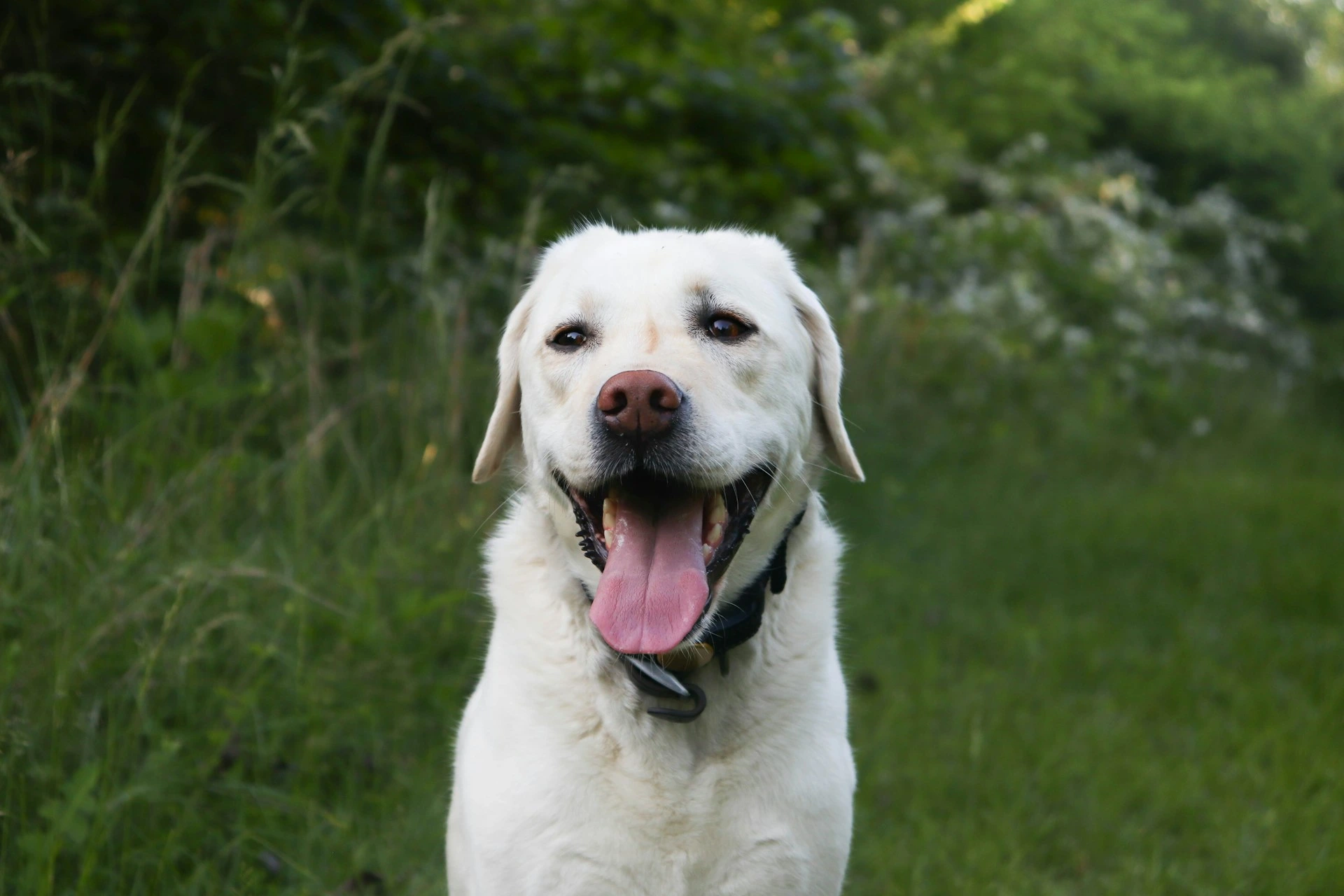
- Open mouth, relaxed tongue: Happy and at ease.
- Closed mouth, tight lips: Tension or uncertainty.
- Yawning or lip licking: Stress or calming signal—not necessarily tiredness or hunger.
- Teeth showing, wrinkled muzzle: Warning sign—your pup wants more space.
Posture and Movement
A dog’s stance says a lot about how he feels.
- Loose, wiggly body: Friendly and playful.
- Stiff posture, forward lean: Alert or defensive.
- Cowering or lowering the body: Fear or submission.
- Play bow (front legs down, rear up): Invitation to play—a universal canine gesture of joy!
Vocal Cues and Sounds
While body language speaks volumes, sound adds context. Dogs use barks, whines, and growls as part of their emotional expression.
- High-pitched bark or yip: Excitement or seeking attention.
- Low growl: Warning or discomfort—respect the message.
- Whining: Anxiety, anticipation, or desire for reassurance.
- Sighing or grunting: Contentment—just like a human’s sigh of relief.
Commonly Misunderstood Dog Signals
Even experienced pet parents misinterpret canine cues. Understanding these misconceptions helps prevent stress or conflict.
Wagging Doesn’t Always Mean Happy
Tail wagging simply signals emotional arousal. It can mean excitement, nervousness, or frustration. Always look at the rest of your dog’s body for context.
Yawning Can Mean Stress
If your pup yawns during training or while meeting new people, they may be anxious. Dogs use yawns to calm themselves or diffuse tension.
Rolling Over Isn’t Always “Pet My Belly”
A dog lying belly-up may be showing trust, but this position can also be a sign of submission or fear. If the dog’s body is stiff and their mouth is closed, it’s a request for space, not affection.
Avoiding Eye Contact Isn’t Guilt
That “guilty” look after Fido raids the trash isn’t guilt—it’s appeasement. Dogs can read human tone and body tension, so when they sense you’re upset, they lower their gaze to avoid conflict.
Understanding these nuances prevents accidental scolding and helps build trust.
Building Better Communication With Your Dog
Learning canine communication is about partnership, not dominance. Your dog looks to you for reassurance and leadership, so clear, calm responses go a long way.
1. Observe Without Assuming
Watch your dog in different situations, such as playtime, rest, and meeting new people. Notice patterns in posture and movement. You’ll start to recognize their “normal” behavior versus signs of stress.
2. Reward Calm Behavior
When your dog remains calm during new experiences, offer praise or a treat. This reinforces confidence and teaches them that relaxed behavior earns positive attention.
3. Create Predictable Routines
Dogs thrive on consistency. Maintaining regular feeding, walking, and play schedules builds trust and reduces anxiety-driven behaviors.
4. Introduce Social Situations Slowly
New dogs, environments, or people can overwhelm some pups. Let your dog observe from a distance, approach at their own pace, and retreat if they seem uncomfortable.
5. Use Your Own Body Language
Dogs read our posture and tone as much as we read theirs. Stand tall but relaxed, avoid leaning over unfamiliar dogs, and use soft eye contact to appear friendly and safe.
How Veterinary Care Supports Canine Communication
At our Plano veterinary clinic, we often remind pet parents that changes in body language can signal more than emotion: they can indicate pain or illness.
Behavior Changes That May Indicate a Health Issue
- Reluctance to move or jump
- Sudden aggression or irritability
- Excessive licking of one body area
- Whimpering when touched
- Loss of appetite or energy
Our veterinarians can help rule out medical causes behind behavioral shifts. For instance, a dog that growls when touched might not be “bad”—they may simply be in pain.
Partnering With Your Vet
During checkups, share any behavior changes you’ve noticed. Your veterinarian in Plano, IL, can recommend behavioral training, medical evaluation, or enrichment techniques to help your canine friend thrive.
Creating a Calm, Communicative Home
Dogs communicate best when they feel secure. To help them thrive, create an environment that supports emotional balance.
Enrichment and Play
Mental stimulation keeps your dog engaged and confident. Try puzzle toys, short training sessions, or scent games to exercise their brain as well as their body.
Quiet Time and Rest
Every dog needs downtime. Provide a cozy bed or crate where they can retreat when they need a break from excitement or noise.
Gentle Training Methods
Use positive reinforcement rather than punishment. Harsh corrections can damage trust and increase anxiety. Focus on rewarding desired behaviors instead.
At Safford Veterinary Services, our veterinarians support a whole-pet approach, one that addresses both physical and emotional wellness.
Fun Facts About Dog Communication
- Dogs can understand over 150 human words on average.
- A slow tail wag that leans right often indicates happiness; a left-leaning wag may show caution.
- Puppies begin learning social cues from their mother at just three weeks old.
- Dogs are one of the only species that can follow a human’s gaze direction—a sign of deep social connection.
PetMD has an article about Fido’s body language here. The ASPCA also wrote about canine aggression in this blog, which you can read here.
FAQs About Dog Body Language
Why does my dog stare at me?
It’s usually affection or curiosity! However, a hard, tense stare can signal discomfort or dominance.
Why does my dog lick me so much?
Licking can be a sign of affection, grooming behavior, or stress relief. Context matters. Calm licking differs from anxious, repetitive licking.
What does it mean when my dog yawns during training?
That’s a stress signal. Take a short break, keep sessions upbeat, and reward small successes.
How can I tell if my dog is scared or aggressive?
Fear and aggression often overlap. Look for stiff posture, lip curls, or avoidance. Always give your dog space and contact your veterinarian if this behavior increases.
Why does my dog roll on their back?
It can mean submission, cooling off, or comfort. If the body is relaxed, it’s likely trust; if stiff, it’s appeasement.
Visit Our Plano, IL Veterinary Clinic for Behavioral Guidance and Care
At Safford Veterinary Services in Plano, IL, we also serve other local areas, including DuPage, Kendall, and Kane counties, and portions of DeKalb, Grundy, Will, and LaSalle counties. We know that understanding your dog’s body language is one of the best ways to strengthen your relationship. Whether your canine companion is playful, shy, or somewhere in between, our veterinarians can help you interpret their signals and respond in ways that build confidence and comfort.
Our compassionate team proudly serves Plano, Yorkville, and surrounding Illinois communities. If you’ve been searching for a vet near me who understands dog behavior and communication, we’d love to meet you and your pup. Schedule an appointment today and let us help you bring out the happiest, most relaxed version of your four-legged friend.
This article is for informational purposes only. Always consult your veterinarian for professional advice, diagnosis, or treatment tailored to your pet’s needs.
Would you like to learn more about our Plano, IL animal hospital? Are you looking for a vet that does house calls in Plano or Yorkville? Drop by our Services page for an overview of who we are and the services we offer, such as Wellness and Vaccinations, Nutrition and Weight management, and Spay/Neuter Surgery. You can also delve into specific services, such as Laser Therapy and Vetscalpel Laser Surgery.

How to Build a Safe and Enriching Home for Your Cat

The Importance of Annual Wellness Exams for Pets

Why Dogs Chew and How to Guide Better Habits

Weight Management Tips for Healthy, Active Pets

What to Expect When Adopting a Rescue Cat or Dog
Play Therapy: Strengthening Bonds Through Pet Play
Senior Dog Care Tips for Comfort and Longevity

Easy Home Enrichment Ideas for Indoor Cats

Understanding and Managing Dog Barking Behavior